Innovative approach boosts police mental health crisis response in Blue Springs

Mar 02, 2026
| Posted in
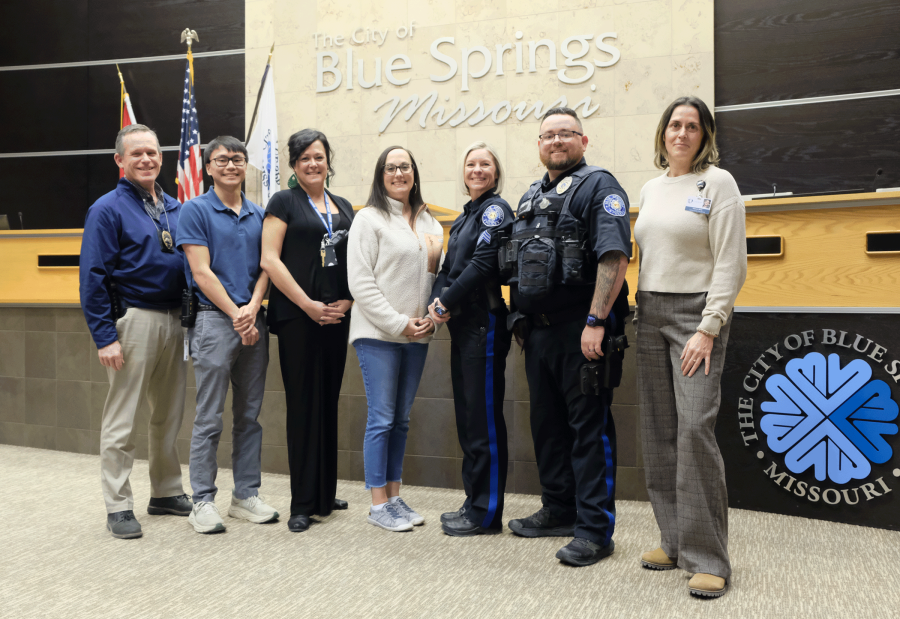
Blue-Springs-Co-Responder-Team-Photo

Focusing on crisis de-escalation, immediate on-scene assessment and proactive patient care, the Blue Springs, Missouri, Co-Responder Program is helping to reduce 911 calls, decrease unnecessary hospitalizations and avoid involuntary arrests. Launched in 2022, the program embeds law enforcement with mental health clinicians from Burrell Behavioral Health/Comprehensive Mental Health Services to respond to emergency calls that involve mental health, substance use or a related crisis.

Blue Springs Police Chief Bob Muenz says the program’s impact has been immense. 

“Homelessness, drug abuse and alcohol addiction are not problems easily solved by putting someone in jail,” said Chief Muenz. “Co-responders help people in distress get into shelters, substance abuse programs, or find jobs, transportation and food assistance. These positions also free up officers to focus on other core law enforcement duties.” 

“Co-responders help people in distress get into shelters, substance abuse programs, or find jobs, transportation and food assistance. These positions also free up officers to focus on other core law enforcement duties.”

Chief Bob Muenz, Blue Springs Police Department
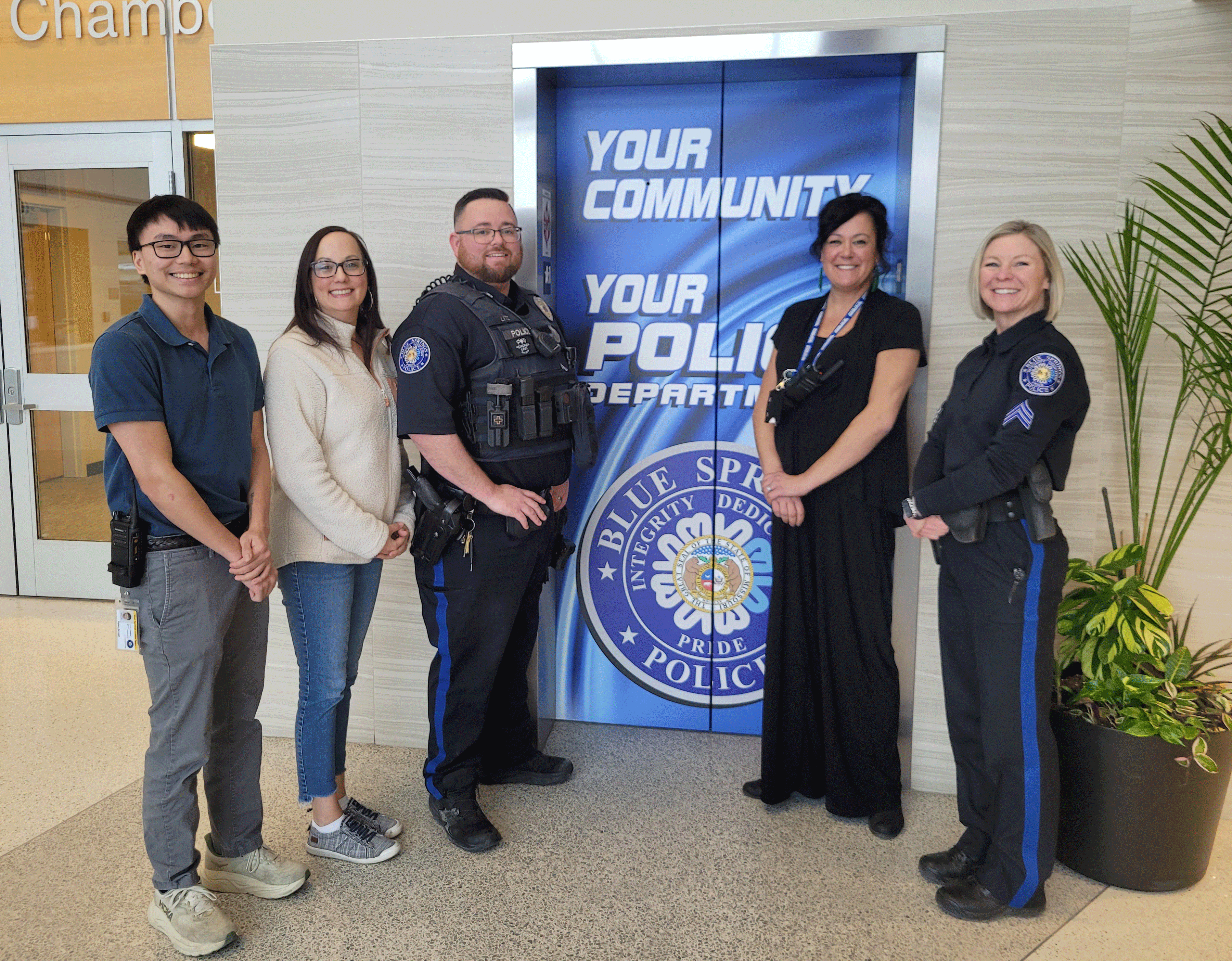
Blue-springs-co-responder-team-photo-2
Members of Blue Springs Crisis Intervention Team - Dylan Arnold, Amanda Allen, Officer Jordan Litz, Anne Chatman and Sgt. Tracy Benson

Comprehensive Training 

Sgt. Tracy Benson manages the Blue Springs Crisis Intervention Team. Benson credits the program’s success to comprehensive training for both police officers and co-responders, plus outreach to the community. 

“We train officers on how to complete crisis intervention reports, why they’re important, the role of the co-responder and what skills they bring to the team,” said Benson. “We also train co-responders how to integrate into the law enforcement environment. We teach co-responders what different 911 calls mean. We give them a radio and show them how to use it.”

 View team photos.

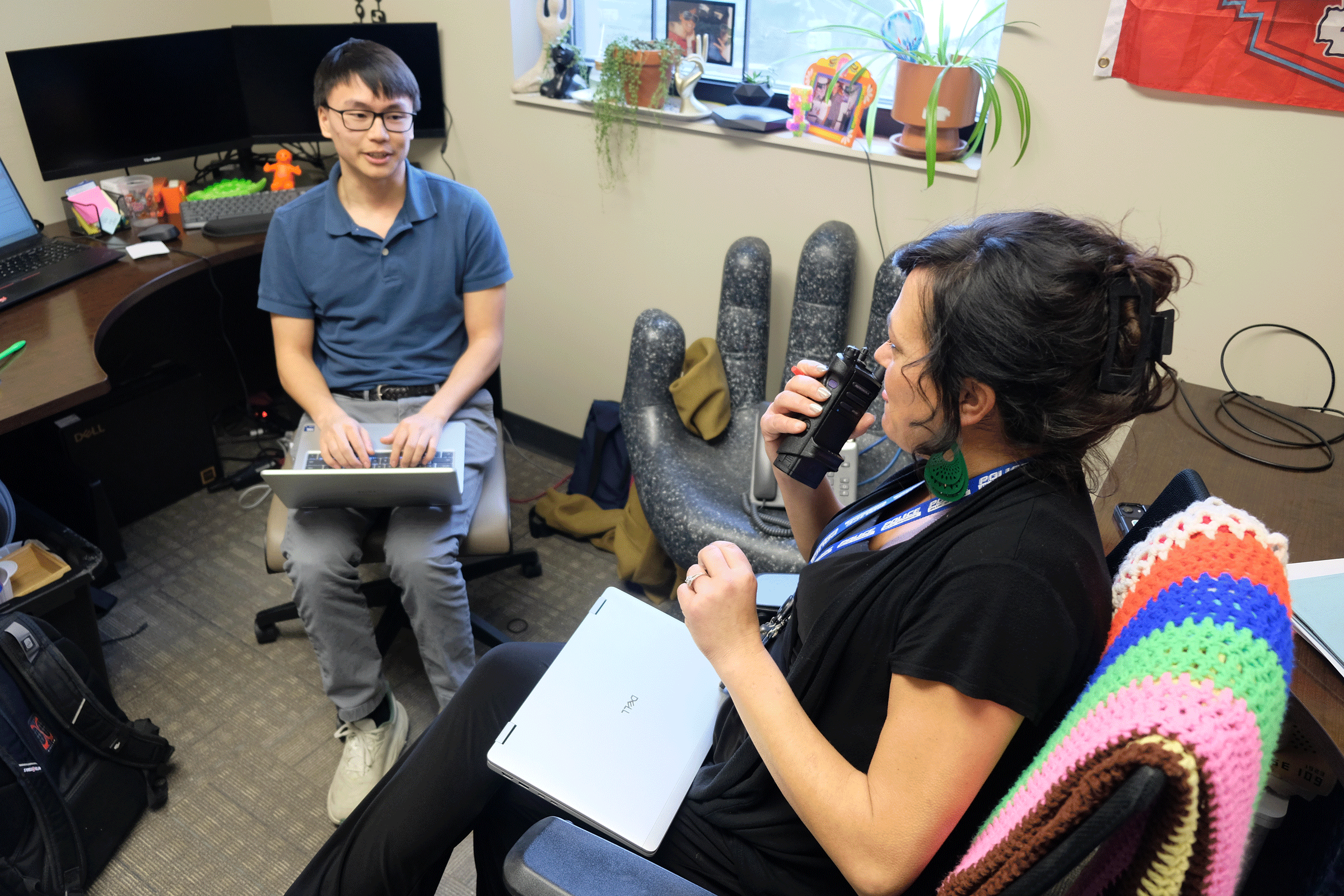
Anne-Chatman-Burrell-Co-Responder
Co-responder programs help improve public safety by connecting people in crisis with appropriate mental health services.

Demonstrated Results

Anne Chatman is a co-responder for Burrell Behavioral Health. She says officers became more receptive to her role after seeing people in crisis get the care they need. “I conduct on-scene assessments, try to figure out if there’s a mental health component to the call,” said Chatman. “I will ask is there a lack of resources? Does the person need medication refills, access to food? Is it a drug addiction or domestic violence? Is it more than one thing?”

Chatman said law enforcement buy-in of the program really began when the number of high utilizers of emergency services, individuals who repeatedly call 911 for non-emergency needs, started decreasing.  

“About six months in, you could see a transition with officers starting to model my approach,” said Chatman. “They began asking questions after a call, saying, hey, what indicated that was schizophrenia and not something else? It takes patience, but when we win one, that's when the buy-in with law enforcement is huge.”


"Building a successful co-responder program takes patience. But when officers see fewer repeat 911 calls, when we win one, that's when the buy-in with law enforcement is huge."

Anne Chatman, Co-responder, Burrell Behavioral Health

Building Trust

Dylan Arnold is a co-responder serving the communities of Grain Valley and Oak Grove, Missouri. Arnold built trust with officers by showing up every day, being assertive and integrating himself into the department. “I focused on getting to know leadership and officers on a daily basis,” said Arnold. “I let officers know I’m available to help and have all these different people I can reach out to.” 

Arnold says it’s rewarding to see a person finally receive appropriate care and connect to community resources.  

“When it works, it works,” said Arnold. “When everyone comes together, when law enforcement collaborates with me, or I get a call from a person’s parent, son or daughter, and they say thank you for all the help, it’s the coolest thing ever.”  
 

Funded in part by a grant through the Bureau of Justice Assistance Connect and Protect: Law Enforcement Behavioral Health Response Program, MARC administers the Eastern Jackson County (EJC) Co-Responder Program and assesses the program’s outcomes and impact. Partners in the EJC collaboration include ReDiscover and Burrell Behavioral Health, the cities of Blue Springs, Buckner, Grain Valley, Grandview, Independence, Lee’s Summit, Oak Grove and Raytown, Missouri. 

According to data from the Blue Springs Police Department, a co‑responder accompanied officers on 316 calls in 2025. Of these incidents, 54% were resolved on scene through resource connection, de‑escalation, outpatient support and other services. Another 33% were diverted from emergency departments and instead received brief stabilization at Burrell's Behavioral Health Crisis Center. The remaining 13% were transported to local emergency rooms for acute assessment and care. 

For questions about the EJC Co-Responder Program, please contact MARC. Learn more about co-responder-related services from Burrell Behavioral Health here.

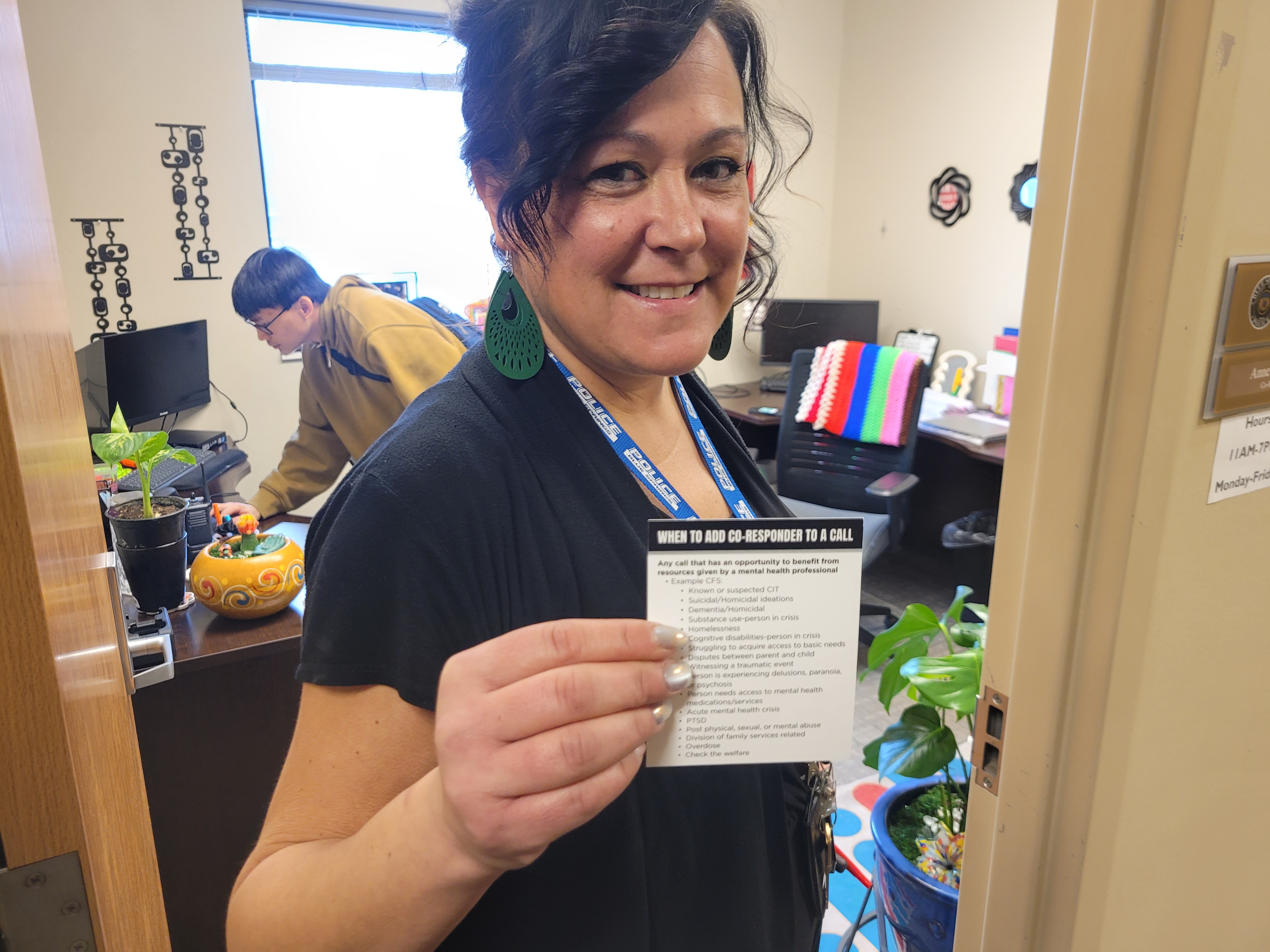
Anne-Chatman-Co-Responder-Burrell
By diverting individuals to appropriate mental health treatment and support services, co-responder programs help reduce the burden on the criminal justice system and save taxpayer dollars.