Independence co-responder program is helping to change how the public sees police

May 26, 2026
| Posted in
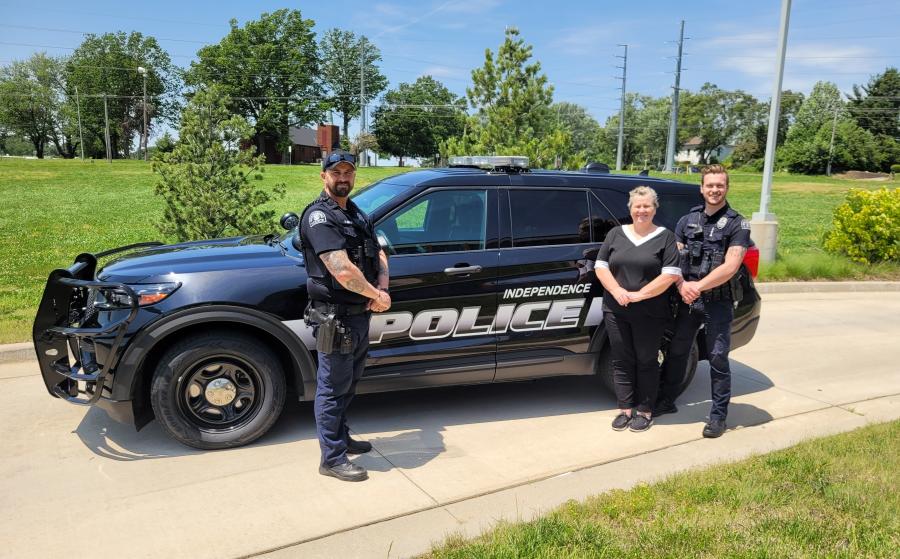
Independence-co-responder-team

The Independence, Missouri, Police Department’s co-responder program is emerging as an important tool in building trust between law enforcement and the community. Launched in 2022, the initiative embeds trained mental health professionals with police officers to respond to 911 calls that involve mental health, substance use or a related crisis. Meeting people where they are, the program aims to connect individuals in crisis faster to mental health resources, de-escalate situations and avoid unnecessary arrests, incarcerations or hospitalizations.

Heather Hayes, a mental health specialist with the nonprofit health system Centerstone, serves on the police department’s crisis intervention team. She says when officers and co-responders arrive on a scene together, residents see police and mental health professionals working as a team focused on care, not just enforcing laws. 

“Usually, when you have the police at your door, it's not a great day. I still see people shocked when officers arrive to help folks, not just arrest someone. They’re starting to see police in a new light.”

Heather Hayes, Mental Health Specialist, Centerstone

Building trust in the community

Consistent contact with the co-responder team helps law enforcement build trust with the community. The program’s success has resulted in some families specifically asking for a co-responder or social worker when they call 911 for help. “Often times, people who are in crisis, they see the badge and automatically shut down,” said Officer Coleman Whitaker. “But then Heather comes out of the car and says can I help? Her calming presence often helps the person open up a little more.”

Even with the program’s growth, community education is a priority for the co-responder team. Heather promotes the program’s benefits to people everywhere she can. “I talk to residents, business leaders and our mental health partners about the program,” said Hayes. “I tell them I’m a social worker with the police department and describe the services co-responders offer. I let them know co-responders are here to help.”

“Often times, people who are in crisis, they see the badge and automatically shut down. But then Heather comes out of the car and says can I help? Her calming presence often helps the person open up a little more.”

Officer Coleman Whitaker, Independence Police Department
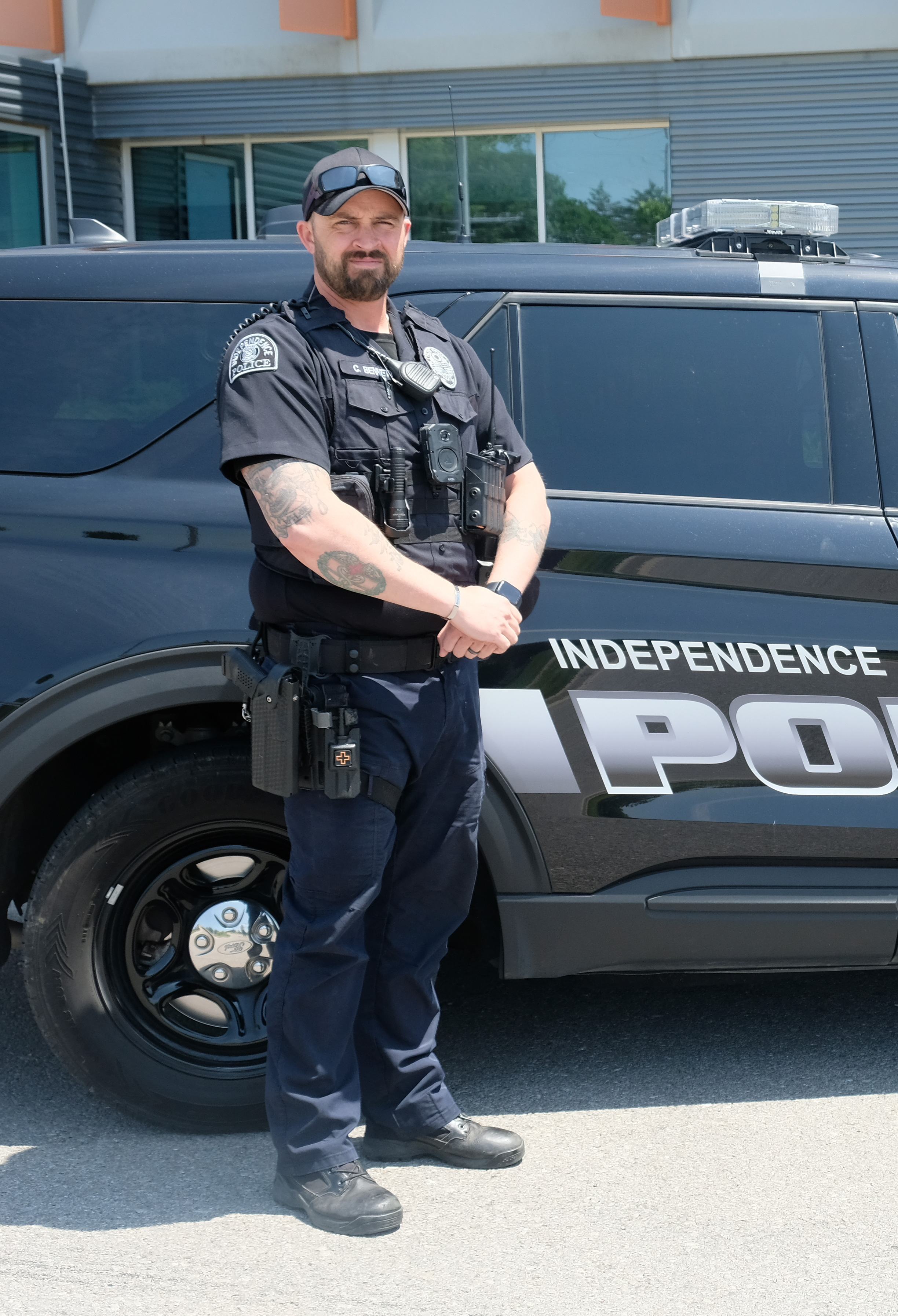
Independence-co-responder-program-officer
Officer Christopher Bennett, Independence Police Department

Educating police officers resistant to the co-responder program also remains important to the team’s success.  Some officers don’t understand how a co-responder’s specialized training can help calm individuals in crisis, reducing the need for force. Others are unfamiliar with resources available to connect a person with appropriate care, such as crisis centers or outpatient treatment. “I didn’t become a cop to be a mental health counselor,” said Officer Christopher Bennett. “But having Heather on the team has been a godsend. Co-responders just have a whole Rolodex full of resources they can connect people with. Having worked with her now, I’ve seen the benefits.” 

Officers that have worked with co-responders in Independence encourage other police departments to consider adding mental health clinicians to their crisis intervention teams.  Officer Jacob Reynolds says “Combining officers trained to help in mental health crisis situations, along with Heather’s expertise and access to resources, it's kind of like the perfect power team."

"It’s rewarding to know that by helping someone feel a little better about a situation and offering them resources, you might have saved their life for that moment.” 

Officer Jacob Reynolds, Independence Police Department
Independence-Police-Department-Centerstone-logos

Demonstrated Results

According to data from the Independence Police Department and Centerstone, a co-responder accompanied officers on 553 calls in 2025. Of these incidents, 30% were resolved on scene through resource connection, de-escalation, outpatient support and other services. Another 24% were diverted from emergency departments to mental health centers. The remaining 46% were transported to local emergency rooms for acute assessment and care.

Funded in part by a grant through the Bureau of Justice Assistance Connect and Protect: Law Enforcement Behavioral Health Response Program, MARC administers the Eastern Jackson County (EJC) Co-Responder Program and assesses the program’s outcomes and impact. Partners in the EJC collaboration include ReDiscover and Centerstone (formerly Burrell Behavioral Health), along with the cities of Blue Springs, Grain Valley, Grandview, Independence, Lee’s Summit, Oak Grove and Raytown, Missouri.

For questions about the EJC Co-Responder Program, please contact MARC. Learn more about co-responder-related services from Centerstone.