Freedom to move: Celebrating transportation across the KC region

Jul 03, 2026
| Posted in
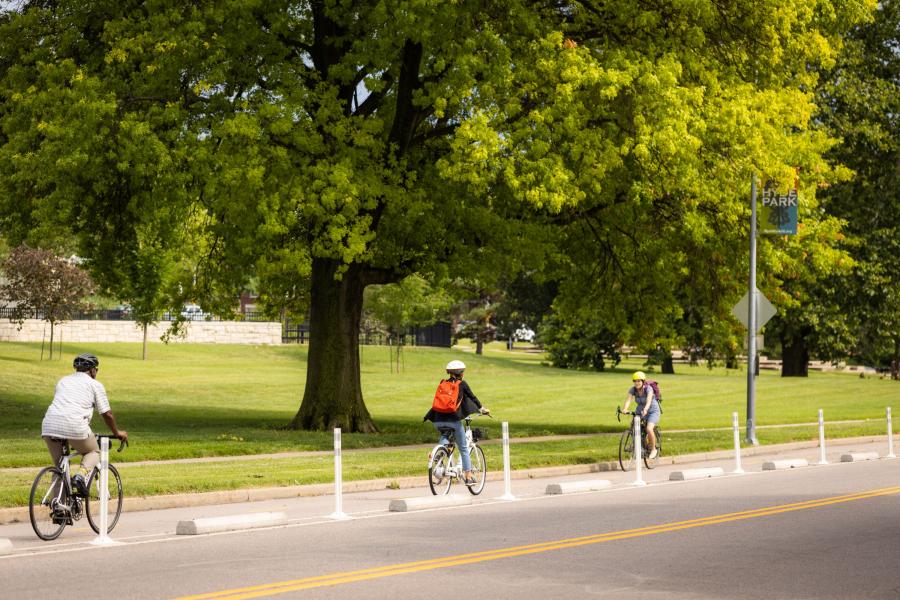
Trio of cyclists in the Gilham bike lane

“Mobility has always been one of democracy’s least celebrated freedoms. It shapes nearly every part of daily life, including how people get to work, school, health care appointments, run errands and attend community activities,” said Lynelle Haugabrook, WAY TO GO program coordinator. “America’s milestone anniversary provides an opportunity to look at how transportation systems have changed over time and how they may need to adapt.”

Tailored transportation options

For generations, transportation in the United States was measured in miles of pavement laid or lanes added. Today’s transportation conversation is more nuanced. Success is measured not only by how quickly vehicles travel, but by how many choices people have.

WAY TO GO helps local residents and employers identify transportation options that work best for them. This type of work is often called transportation demand management. It helps people make informed travel choices and use existing transportation resources more efficiently. Examples include helping someone find a bus route, matching coworkers for a carpool, supporting vanpool options, encouraging flexible work schedules or helping employers manage parking demand.

“More transportation options mean residents and employers experience increased flexibility to meet their needs, schedules and budgets,” Haugabrook said. “This is especially relevant as transportation costs remain a major expense. Alleviating commute stress and the financial burden can translate into significant savings over time.”

Technology also makes some travel options easier to use. Real-time transit information, digital trip planning, employer commuter benefits, electric bicycles and telecommuting can help people compare options and plan trips.

Looking ahead

Policymakers are discussing the next generation of federal transportation investment through proposals such as the BUILD America 250 Act, which addresses roads, bridges, transit, rail, safety, accessibility and local transportation priorities.

“In the Kansas City region, transportation needs vary by household, job location, schedule and access to services. A comprehensive, high-frequency transportation system made up of predictable travel options can better meet those different needs,” Haugabrook said. “WAY TO GO helps people see the full range of transportation choices available to them.”

A commuter might drive to a park-and-ride, ride transit into downtown and finish the last mile on foot. Another employee may vanpool three days each week while working remotely for the other two days. A college student may rely entirely on transit today before becoming a cyclist tomorrow. Parents may alternate between driving, walking, and bike buses depending on the season, weather or schedule.

Regional Planning

Public input and thoughtful planning can help identify what needs are most important. Through storytelling, educational events, employer outreach and public feedback, WAY TO GO works with regional transit partners to create tailored solutions that meet real-world needs.

“Transportation options are part of broader efforts to address affordability, workforce access, air quality and quality of life. Helping people move more sustainably, affordably and quickly may be one of the most meaningful ways we honor the journey that brought us here and the one still ahead,” Haugabrook said. “Anniversaries invite us to imagine the chapters still unwritten. What kind of mobility legacy will the Kansas City region leave for the next 250 years?”

For more information about the WAY TO GO program in the Kansas City region, visit WayToGoKC.org.