Food waste
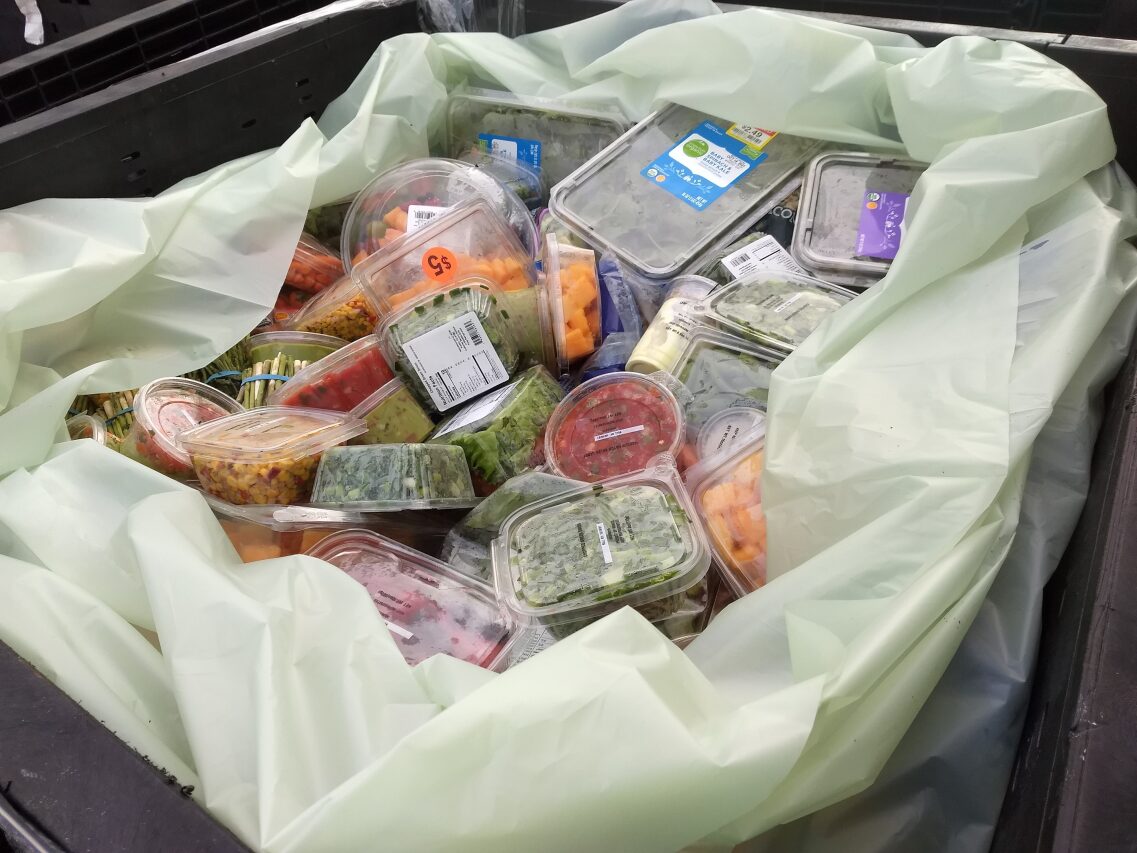
When food is wasted, all of the resources to grow that food, like water, energy and fertilizers, are wasted too. And when food is sent to a landfill, it creates methane gas during anaerobic decomposition, which is a major component of climate change. Reducing food waste is a low-cost, high impact action that benefits people and the planet.
Food waste diversion
Redirecting surplus food is the most direct and efficient way to reduce food waste.
Kanbe's Markets
Kansas City faces persistent food deserts, areas where low-income residents often lack nearby access to affordable, nutritious food. Kanbe’s improves food access by sorting and redistributing discarded grocery inventory from wholesalers. and redirecting it to neighborhoods with low food access.
Their model delivers fresh produce to corner stores within a half-mile of homes, using coolers, baskets, and a shared revenue system that benefits both local businesses and Kanbe’s. Compostable produce is brought back to local farms and composting sites. This approach turns food waste into nourishment, supports small retailers, and builds a more inclusive, sustainable food system.
Pete's Garden
Pete’s Garden, based at Grace and Holy Trinity Cathedral in downtown Kansas City, repackages surplus prepared food from restaurants, hotels, and grocery stores to feed underserved families.
Founded by Tamara Weber to address gaps in food waste diversion, the nonprofit has grown into a citywide effort supporting climate resilience and child nutrition. Donated meals—from partners like the Chiefs and Catering Hopps KC—are packaged by volunteers and delivered to sites such as Operation Breakthrough and Amethyst Place.
Composting
Composting plays a vital role in the circular economy by transforming organic waste into nutrient-rich soil, reducing landfill emissions, and closing the loop between food production and regeneration. Composting in Kansas City provides tiered options for residents and businesses to divert organic waste from landfills and produce nutrient-rich soil.
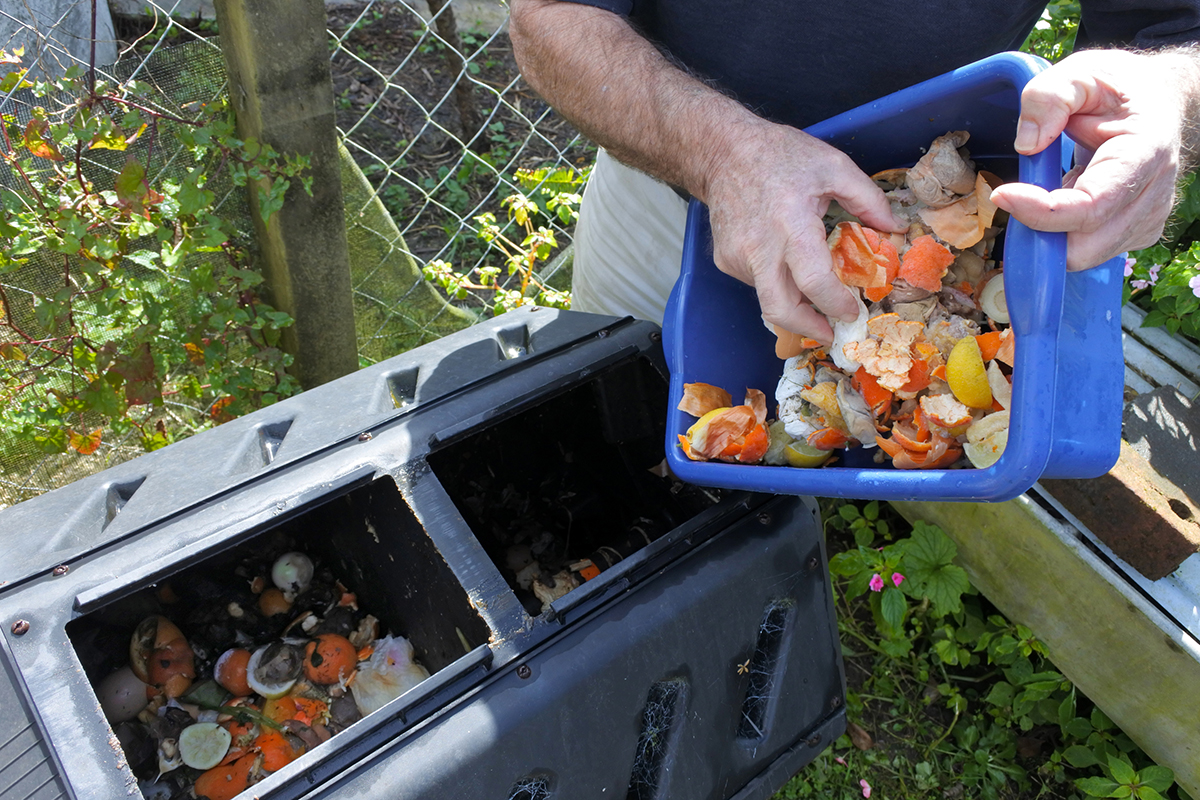
Tier 1: Backyard
Backyard composting allows individuals to manage food scraps and yard waste at home, creating nutrient-rich compost for personal use. While rewarding, it requires space, effort, and attention to proper material balance, moisture, and local regulations.
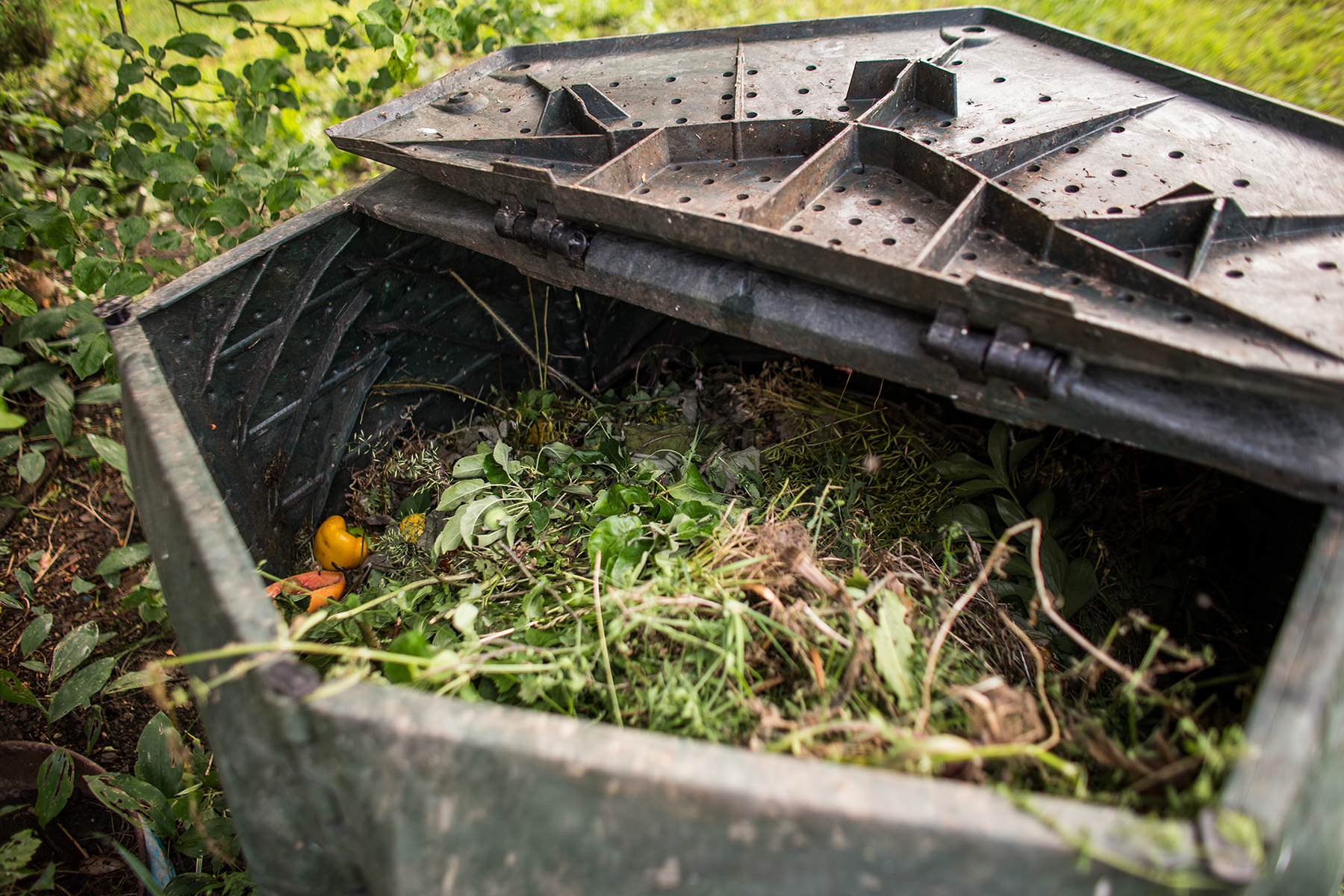
Tier 2: Community
Community composting involves shared spaces like gardens or urban farms, keeping organic waste and its benefits local while fostering engagement and improving neighborhood soil health.
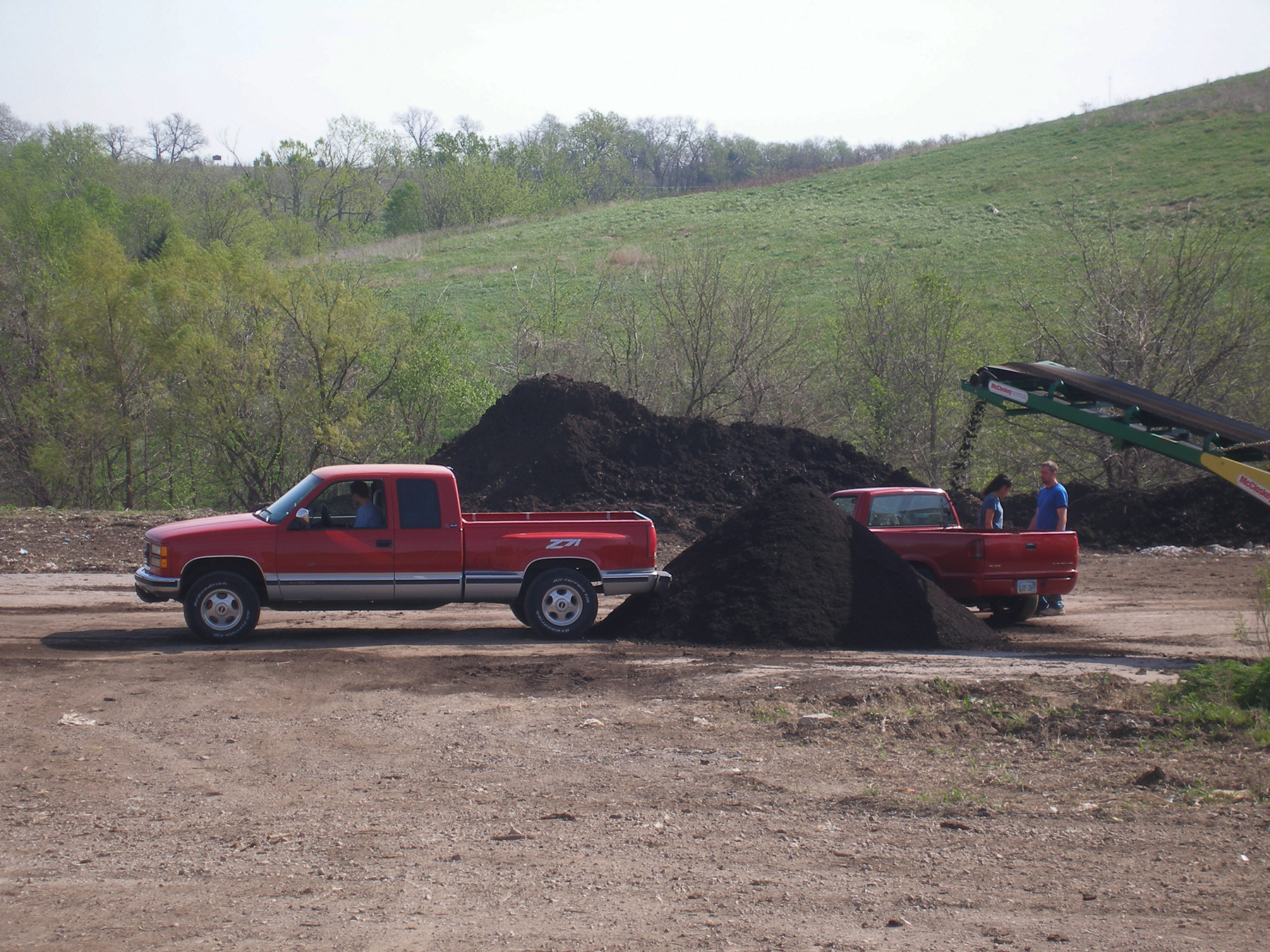
Tier 3: Municipal and Commercial
Municipal and commercial composting operations handle large volumes of organic waste from homes and businesses at dedicated facilities run by governments, companies, or nonprofits. These systems can process materials unsuitable for home composting, but are vulnerable to contamination. Methods like static piles, windrows, and in-vessel systems are carefully managed to meet standards that ensure safe, stable compost.
Local composting organizations
Kansas City is home to several innovative composting organizations working to reduce landfill waste, enrich local soils, and build a more sustainable future.
Compost Collective KC
Compost Collective KC treats food waste as a resource, cycling it back into the soil at Urbavore Urban Farm, their operational hub and model for urban sustainability. They emphasize community-scale composting through bin swap spots, community bins, events and commercial efforts.
KC Can Compost
KC Can Compost is a nonprofit transforming Kansas City’s environmental and social landscape. They divert food scraps from landfills and provide green job training through their Green Core Training Program, helping individuals overcome employment barriers.
Services Offered:
- Individual Composting
- Drop-Off Locations
- Commercial Composting
- Event Composting
Missouri Organic Recycling
Missouri Organic Recycling is a regional leader in large-scale composting, sparked by Missouri’s yard waste landfill ban. Their FRED program (Food Residuals Environmental Diversion) began accepting food waste in 2004. Operating at the municipal, commercial, and industrial tiers, Missouri Organic supports citywide composting and produces high-quality organic products from brush and food waste. By combining food waste with brush, they create 54 million pounds of compost annually.
Processing
Waste transformation reimagines how we handle trash by converting discarded materials into valuable resources. Emerging methods across the Kansas City region are poised to dramatically reduce landfill-bound waste and support a more sustainable, circular economy.
Biochar
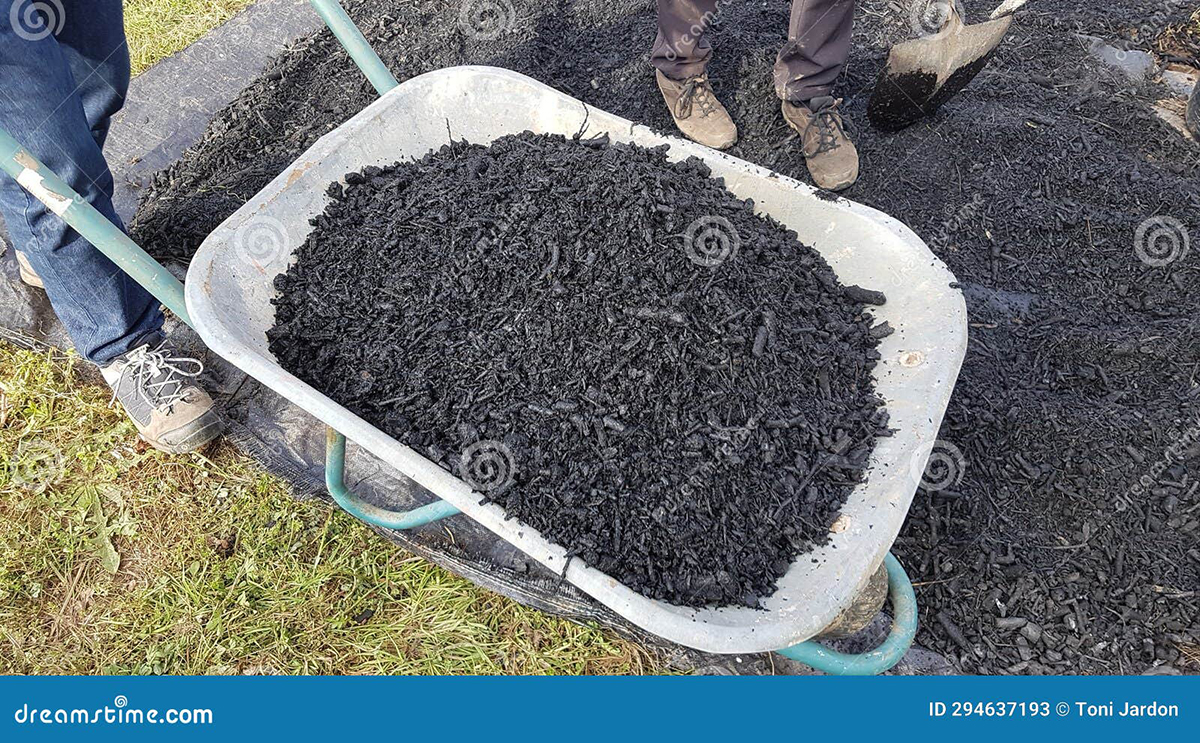
Biochar is a charcoal-like material made from organic waste through pyrolysis, a process that traps plant carbon in solid form. When added to soil, it improves nutrient and water retention, reducing reliance on fertilizers and irrigation. It also promotes carbon sequestration by storing carbon in the soil. Key challenges include facility costs, contamination, and scaling implementation.
Anaerobic digestion
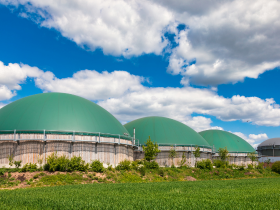
Anaerobic digestion is a process where microorganisms break down organic waste in an oxygen-free environment, typically inside a sealed reactor. It results in two valuable product:
- Biogas: a renewable energy source used for heat, electricity, or fuel
- Digestate: a nutrient-rich byproduct that enhances soil health as a natural amendment
This method not only diverts waste from landfills but also supports clean energy and sustainable agriculture.
Energy production (Waste to Energy)
Waste wood has produced energy for homes and industries for centuries. The most productive form is pyrolysis, combusting solids and gasses while reducing the wood to biochar, and generating steam that is converted to electricity. Biochar production occurs throughout the region, without energy projection. Emerging projects are incorporating energy capture. The biochar byproduct is a soil amendment with enhanced value.
Other waste materials, particularly hard-to-dispose-of materials like solvents and paints have been used as a supplemental fuel in cement kilns in the last few decades. Illustrating how a material with a high cost of disposal can replace an expensive fuel, resulting in reduced fuel costs.
Expanding the waste materials available as fuel includes tires, biosolids, plastic and organics. Anaerobic digestion is a technology that is used all over the world to produce methane, a smelly gas given off from animal waste and rotting organics. That process can be accelerated and the gas can be collected and concentrated. The solids are fibrous and suitable for composting.
This kind of natural gas is considered renewable, since the source is replenished daily. Landfills create this same gas, which has been treated as a nuisance until recently, when refining technology has produced a very lucrative product immediately usable by local communities. In 2024, Archaea Energy began operations of an RNG refinery at the Sedalia landfill that converts 50% methane landfill gas to more than 90% natural gas that is piped directly into the local city distribution system. Landfills are now supplying natural gas to households derived from trash we are burying there.
These new and emerging technologies are available to turn trash into energy, and they are already in use in the Kansas City region.