Regional Recovered Materials Strategies
The MARC Solid Waste Management District has developed twelve integrated strategies designed to strengthen material recovery across the region. Together, these strategies form a coordinated approach that supports a more resilient, efficient, and sustainable materials management system. Each strategy aligns with shared goals: maximizing diversion impact, delivering community benefit, creating economic and environmental value, and ensuring practical, achievable implementation.
These strategies provide a roadmap for communities, haulers, processors, and industry partners to work collectively toward a future where recovered materials are used to their highest and best purpose.

1. Repair, rental and borrowing
Support and promote repair, rental and borrowing services to reduce consumption of new goods.

2. Reuse hubs
Expand repair services and maker spaces to increase accessibility to fix and upcycle durable goods, including clothing.
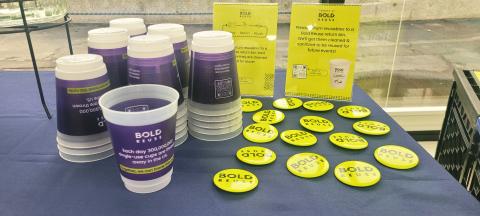
3. Reusable food service ware
Support use of reusable food service ware to reduce single-use plastic waste at large public venues and events.

4. Food Waste Bites program
Reduce food waste in the Kansas City region's food service sector by implementing comprehensive food waste rescue, diversion and prevention practices.
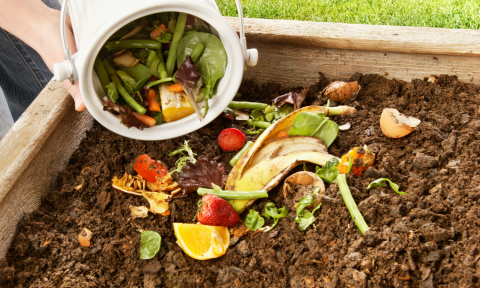
5. Home composting training
Develop a regional home composting training program to help manage organic waste locally. Encouraging home and community composting reduces the need to transport yard and food waste and transforms these materials into nutrient‑rich soil instead of landfill material.
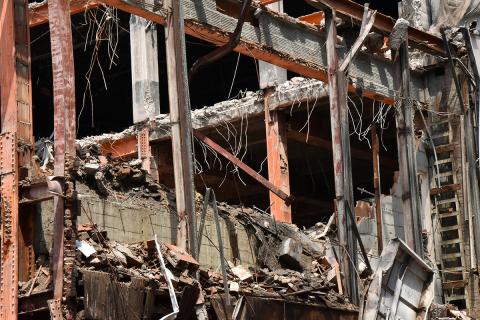
6. Construction and demolition waste material recovery
Remanufacturing these resources can produce lower-carbon building materials, while deconstruction provides components ready for direct reuse, reducing environmental impact and supporting sustainable construction practices.
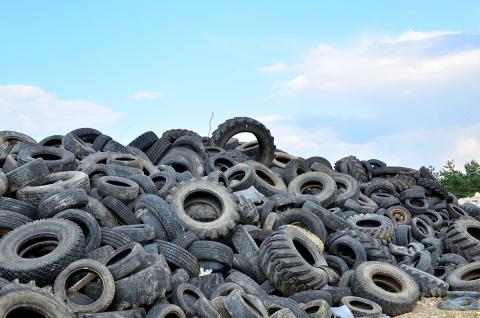
7. Scrap tires in asphalt paving
Asphalt paving includes petroleum products, binders, and polymers. Used tires can provide the same properties and have been proven to provide durability.
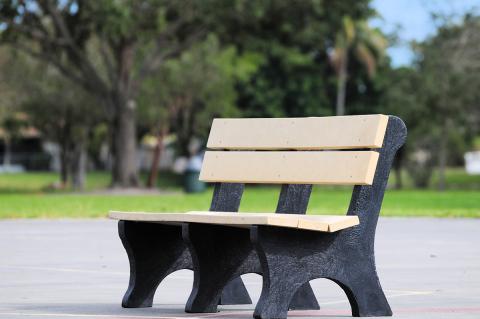
8. Turn recovered materials into new locally made products
Encourage businesses to turn recovered materials into new locally manufactured products.

9. Engage economic development specialists
Work with economic development specialists to identify and support opportunities for business development and growth in material recovery.
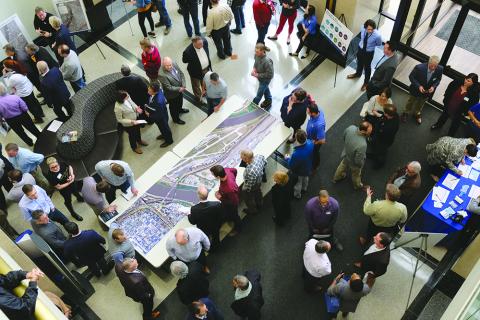
10. Regional planning integration
Promote integration of the Regional Recovered Materials Plan with transit, disaster, water quality and other regional planning efforts.
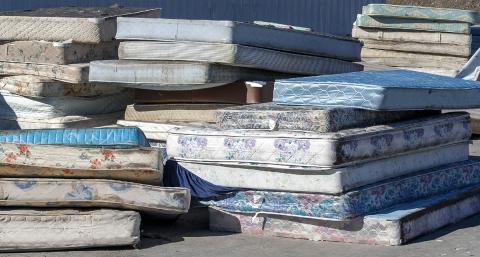
11. Extended Producer Responsibility Laws
Support statewide Extended Producer Responsibility (EPR) laws for recycling of paint, batteries and mattresses.
12. Expand energy production from solid waste
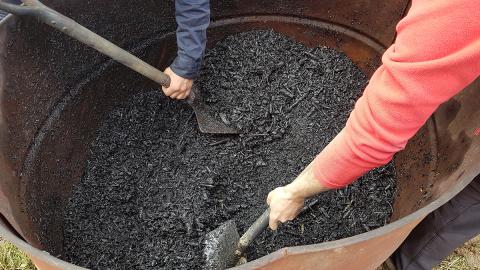
Expand energy production from solid waste including biochar processing of biosolids and anaerobic digestion of organics.