
Consumerism: The system of waste and the circular economy
Most of us don’t consider what happens to things after we’ve used them. We buy stuff, use it and throw it in the trash. We may even recycle it. We have grown used to this system, but it may be time to start thinking of new ways to manage our solid waste. We create a lot of waste and use much more resources than we need.
The Kansas City region sends tons of waste to landfills every year. Much of that waste still has value, such as clothes that could be reused, electronics that could be repaired, or food scraps that could be composted. By putting these materials in the landfill, we lose valuable resources.
The idea of a circular economy presents a different way to think about how we use materials. Instead of producing a product, using it once and throwing it away; the circular economy addresses how we can keep materials in use for longer. This might mean reusing or repairing things, recycling them effectively, or designing products that last longer.
Obsolescence
Many products are made with the idea of planned obsolescence, a common business strategy. Some companies design products so that they must be bought repeatedly, even when it is entirely possible to design the product to last longer. When products wear out sooner, people buy replacements more frequently, leading to additional sales and revenue.
The clearest example of this is light bulbs, which have potential lifespans for over twice as long as they are typically used. But many are designed to burn out faster.

Perpetual upgrades
Planned obsolescence also encourages consumers to replace existing products with newer versions, despite the original version being functional. Smartphones are a perfect example of this practice. Many people are persuaded to purchase a new phone due to software updates, discontinuation of support and security updates, creating the need to upgrade from an already functional device.
Fast fashion
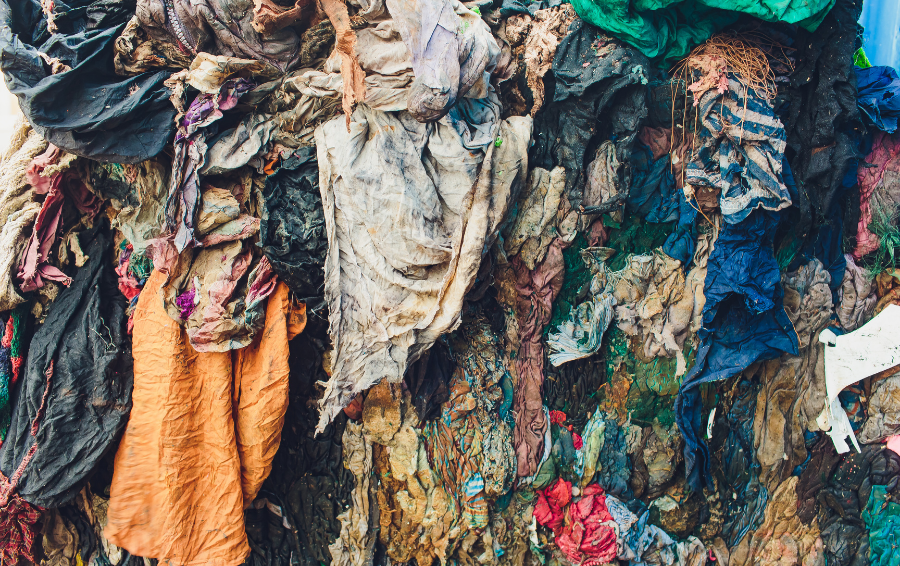
The fashion industry is also rife with built-in obsolescence. Last year's styles are always designed to be replaced with this year's new trends. This "fast-fashion" industry uses flimsy materials and cheap labor from other countries to create low-quality clothing that must be replaced frequently.
Discovering value in what we throw away
Kansas City can lead the way in creating a more sustainable and resilient future by embracing the principles of a circular economy.
Instead of the traditional “take, make, waste” model, a circular economy keeps materials and products in use for as long as possible. That means supporting local businesses that repair, reuse, and repurpose goods, while also creating new jobs in remanufacturing, recycling, and composting. By developing strong end-markets for these materials, the region can reduce long-term costs and cut down on the environmental impact of importing resources over long distances.
Circular economics is already happening at a small scale in the region. Although we've grown accustomed to a lifestyle that encourages fast and abundant consumption, many nonprofits, repair shops, community gardens and reuse centers are providing platforms that tap into the value of resources that would have otherwise been discarded in a modern consumer-driven system. Read on to learn about the ways these organizations are helping move the Kansas City region to a more efficient, resilient and healthy future.
Reuse, renting and borrowing
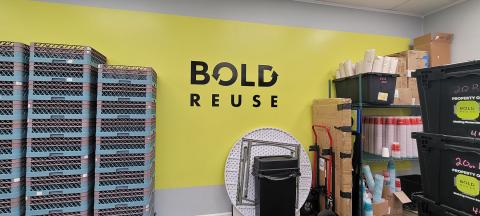
Reducing the amount of materials we consume and reusing the ones we have lowers demand for raw resources, cuts emissions, and limits waste. Reuse strategies, like reusable serviceware at large event venues, prevent single-use plastic from entering the landfill. And resources like lending libraries replace the need to purchase single-use items, which keeps products in circulation longer. Explore how these approaches are being implemented in our region.
Recycling
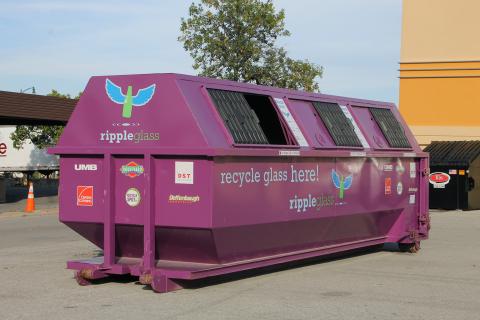
Recycling turns used materials into new products, reducing the need for new resources, lowering energy use, and minimizing waste sent to landfills. It keeps valuable materials in circulation and helps close the loop on resource use.
Food waste and organic transformation
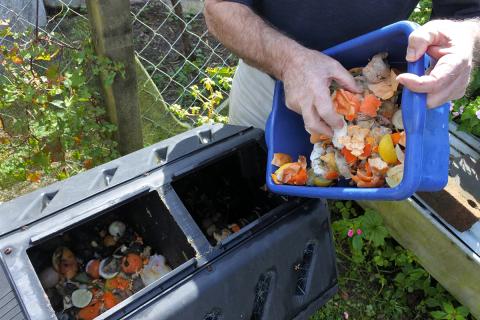
When food waste is repurposed instead of discarded, it helps helping reduce landfill use, lower greenhouse gas emissions and return nutrients to the soil. See how local composting, recovery and donation efforts are reducing food waste.
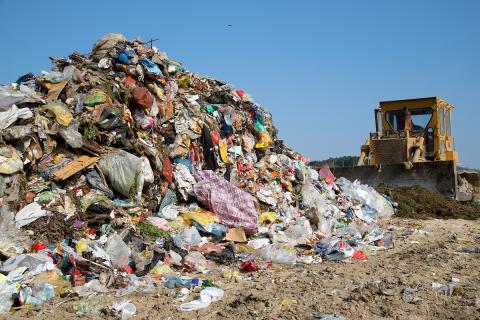
Municipal Solid Waste
Landfills are the last resort for waste that cannot be reduced, reused or recycled. Learn about the waste stream, from your garbage can, to the truck, to the transfer station, to the landfill.