
Recycling
Recycling plays a key role in the circular economy by keeping materials in use for as long as possible. Instead of discarding products at the end of their life cycle, recycling allows valuable resources to be recovered and reprocessed into new products.
Many Kansas Citians wonder where their recyclables go after curbside pickup. Before becoming new products, items are sorted at a Material Recovery Facility (MRF), which separates plastics, paper, glass, and metal into the correct waste streams. These sorted materials are then prepared for reuse by manufacturers.
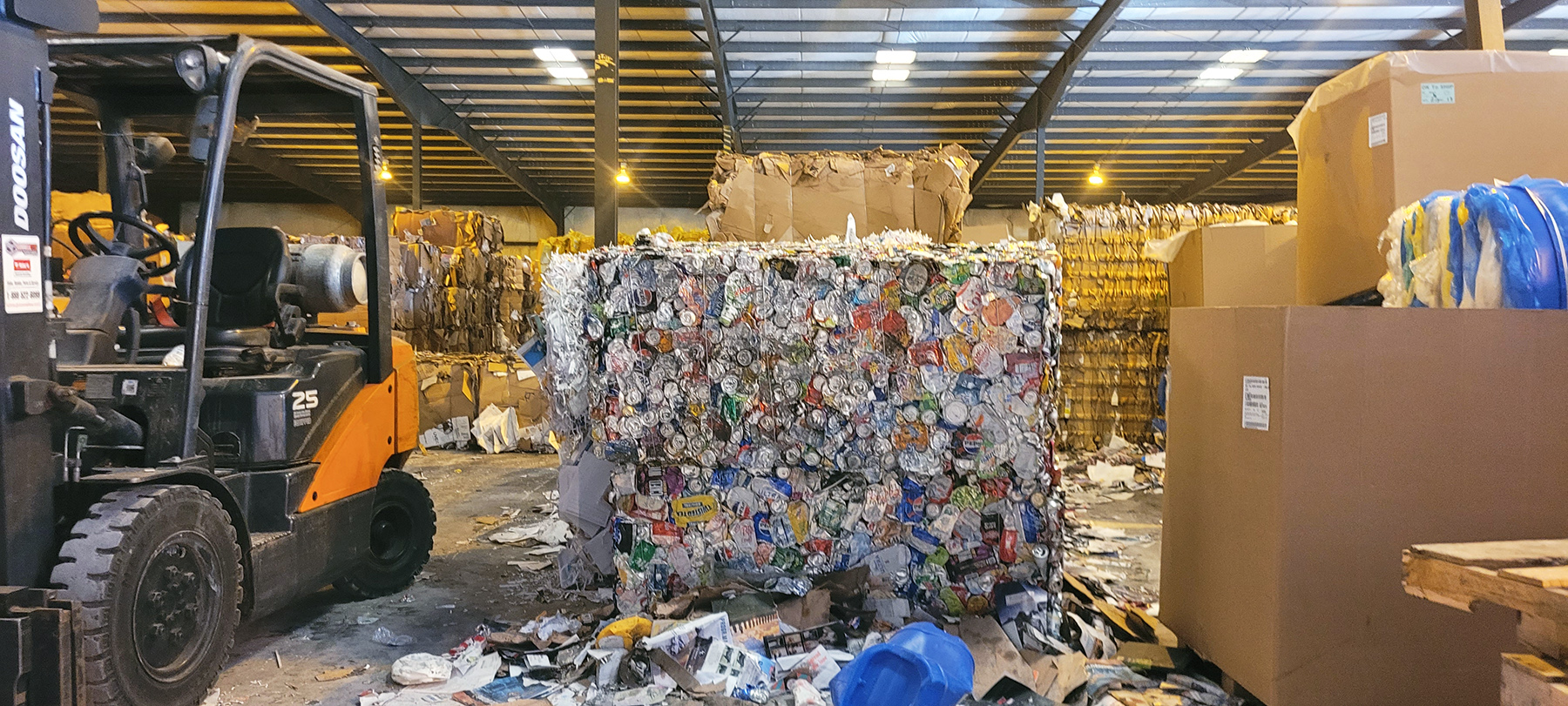
MRFs use machines, like screens, sorters and robots, and manual labor to sort recyclables. Efficiency depends on the quality of materials, and high contamination rates slow sorting and lower recovery.
Knowing what local MRFs accept and preparing items properly improves recycling outcomes. Once sorted, materials are baled and sold to be made into new products.
Glass Recycling
The average person in the Kansas City region uses 80 pounds of glass each year. Before 2009, the lack of a local processing facility and limited recycling infrastructure made glass recycling nearly impossible.
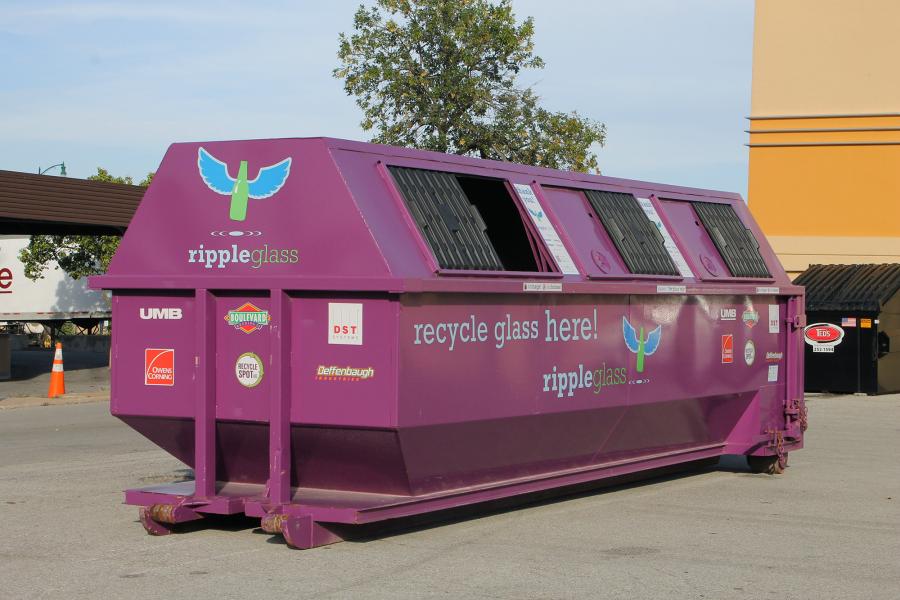
Ripple Glass changed that. Founded with support from local businesses and organizations, Ripple built a processing facility and launched a regional collection network. Their signature purple bins, located in parking lots across the region, allow residents and businesses to drop off all colors of food and beverage glass for free. Businesses can also participate through Ripple’s commercial recycling program using purple roll carts.
Once collected, the glass is cleaned, sorted, and processed at Ripple’s Kansas City facility. Non-glass items are removed, labels stripped, and the glass is crushed and dried. Optical sorters separate clear, colored, and brown glass. Brown glass is turned into new beer bottles, including those for Boulevard Brewing Company. The remaining glass is crushed to a course, sandy consistency called furnace-ready cullet, which is used by Owens Corning to make fiberglass insulation.
Ripple Glass has significantly boosted Kansas City’s glass recycling rate from just 3% to nearly 20%. Recycling glass saves raw materials, reduces pollution, and uses 30% less energy than producing new glass. With more bins and public education, that rate could climb even higher.
By making glass recycling accessible and efficient, Ripple Glass helps turn waste into valuable resources, which supports a more circular economy.
Household Hazardous Waste Collection
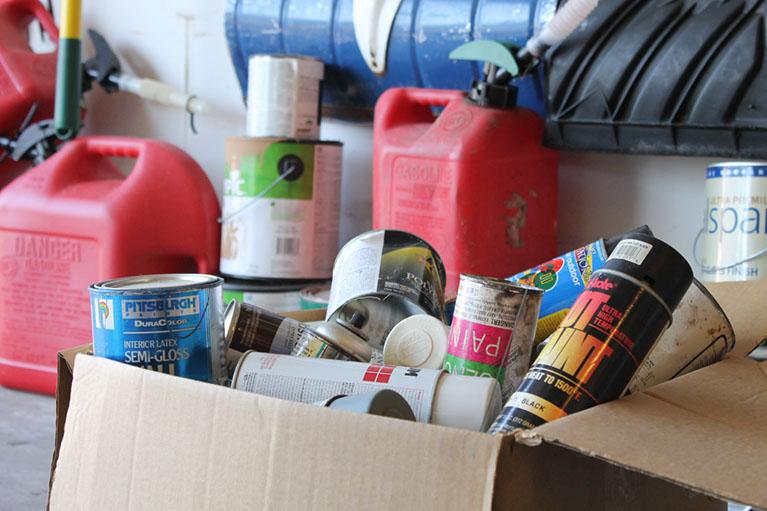
Household Hazardous Waste (HHW) includes harmful products used at home, such as automotive fluids, batteries, cleaners, pesticides, paint, and fluorescent bulbs. Look for labels with DANGER, WARNING, or CAUTION to identify them. Proper disposal of these products protects the health, soil, water, and air and ensures legal compliance.
Disposal options for HHW in the Kansas City region depend on your state of residence.
Missouri
On the Missouri side, participating municipalities have access to the Regional HHW Collection Program. Residence in one of these communities allows you to take your HHW products free of charge to permanent collection facilities or mobile collection events, with proof of residency required.
Facilities include the Kansas City, Missouri, HHW Facility on Deramus Road, as well as the Lee's Summit Resource Recovery Park. A municipality is eligible for participation in the program if they are located within the MARC Solid Waste Management District, which includes Platte, Clay, Jackson, Ray and Cass counties in Missouri.
Non-participating HHW program members can use the Lee's Summit facility for a per-pound fee. Business waste, including from nonprofits, churches, and waste from multi-family rentals, is not accepted at either facility or at mobile events.
Kansas
On the Kansas side, residents of Johnson, Leavenworth, Wyandotte and Miami counties can take their HHW for free to their respective county facilities.
Visit RecycleSpot to learn if your city or county is a part of the regional collection program, and for a complete list of HHW disposal options available to your community.