District Programs and Services
The district’s programs and services expand and improve waste reduction efforts throughout the region. They are designed to serve multiple sectors - public, private and non-profit organizations – as well as individual residents.
Recycle More at Work program
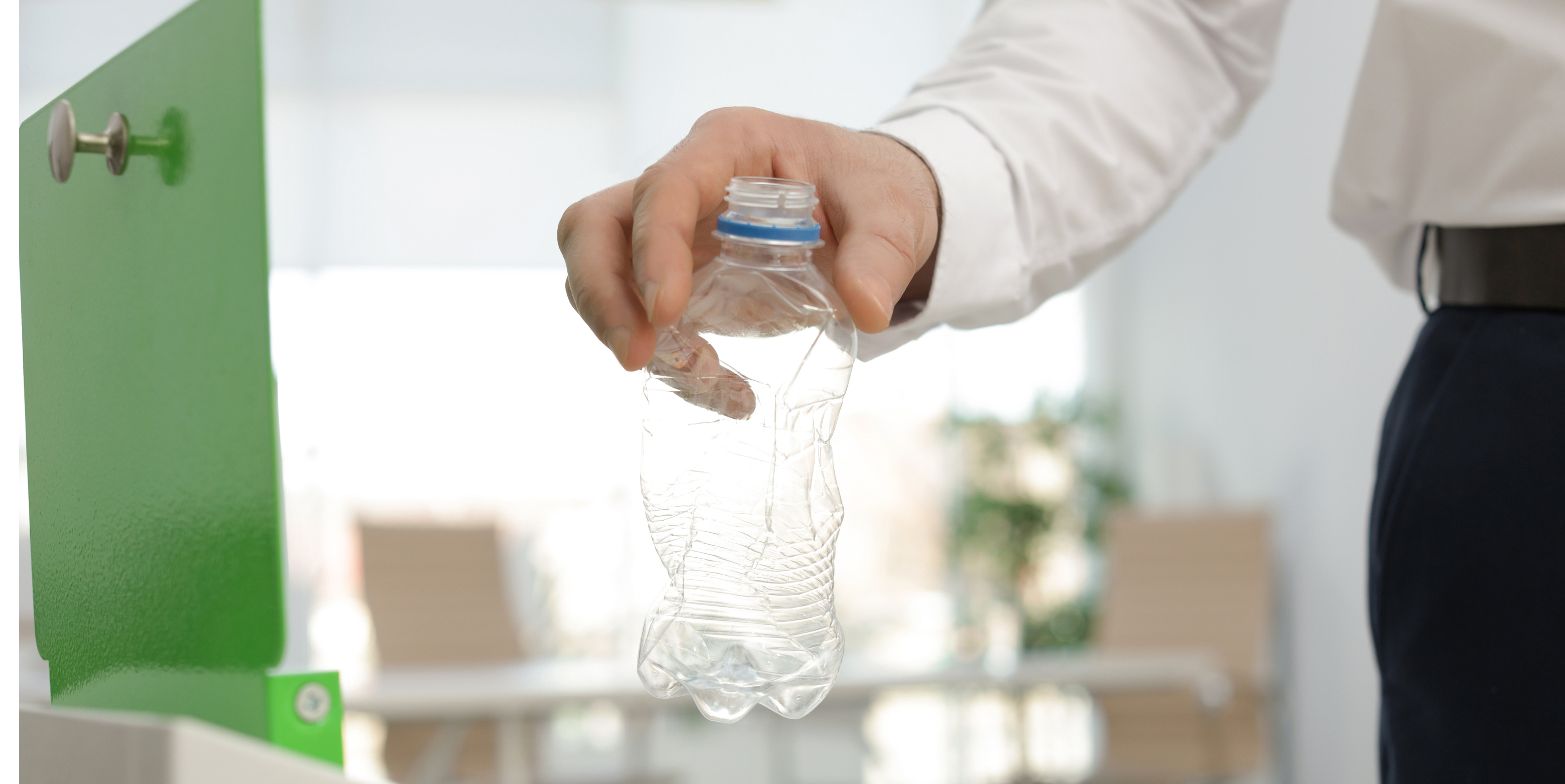
The Recycle More At Work partnership is a free program designed to help workplaces start or improve their waste reduction and recycling practices. Partners come in all types and sizes: businesses, local governments, non-profit organizations, schools, and churches. When they join, partners receive a waste assessment which includes a facility walk-through, a recycling recommendation report and a follow-up meeting to lay out next steps. Partners also receive funding information, Recycling 101 presentation, monthly recycling tips, educational materials and promotion through the district’s social media. The Recycle More At Work partnership began in 2015.
Outreach
In order for the district’s waste reduction efforts to be successful, people have to know about actions they can take and services that are available to them. The district uses the following tools and strategies to ensure our audiences are in the loop
Communication and social media
Every year the district puts together a comprehensive outreach plan to promote its programs and services. It maximizes its effectiveness by utilizing a strategic combination of earned, owned, social, and paid (digital, outdoor, print, radio, and television) media.
RecycleSpot
Since 2006, RecycleSpot.org has been the Kansas City metro area’s one-stop spot for waste reduction information. With over 1,800 service providers and locations, RecycleSpot helps approximately 88,00a0 thousand users a year find places to recycle, reuse, donate and compost items, while providing educational materials, tips, and information on local events and the latest news.
Recycling hotline
Let's talk trash
The district’s recycling hotline, (816) 474-8326, is answered by district staff, Mon. – Fri., 8 am – 5 pm. It’s a great way to help people find the information they need by talking to a real person.

Kansas City Environmental Education Network
The Kansas City Environmental Education Network (KCEEN) is a bi-state network of educators serving pre-K through 12th-grade youth in the region. Its mission is to expand and improve environmental education by providing all metro area youth with the knowledge, understanding, skills, experience, and motivation necessary to care for the environment for themselves and future generations.
Since its founding in 2003, KCEEN has been a place where formal and non-formal educators get together to share strategies, resources, and provide feedback on their environmental education initiatives. KCEEN makes this possible through:
Planning Committee
Meets monthly to give members a chance to network.
Teaching Environmental Stewardship Award (TESA)
TESA is given each year to a teacher who provides exceptional EE to their students.
Networking Events
Partnering with various organizations to provide networking events for educators.
Funding
Providing up-to-date funding information to help educators move their initiatives forward.
Green Schools Resources
Providing resources to help schools take a comprehensive approach to going green.
Member Directory
Maintaining a membership directory which provides an overview of programs and resources offered by our members.
Household Hazardous Waste (HHW)
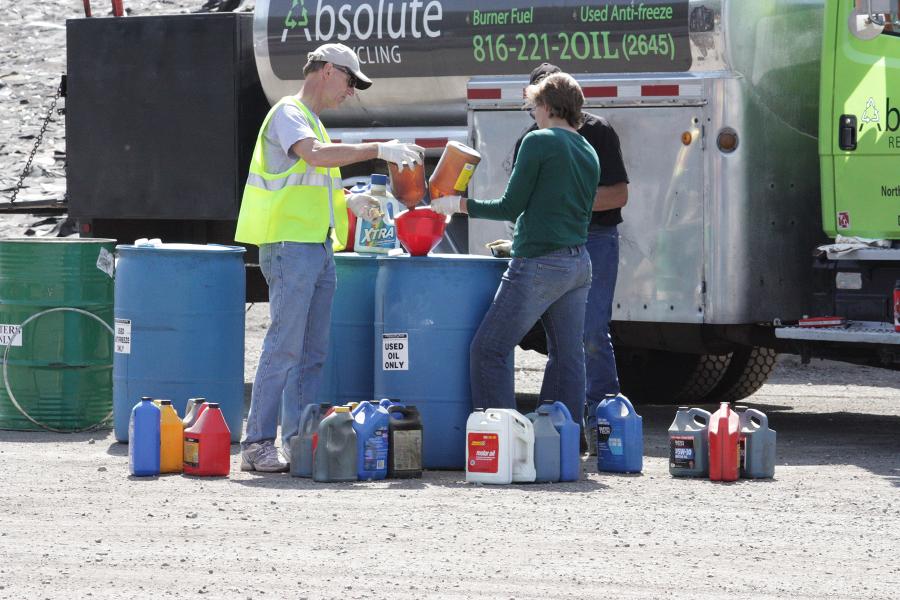
Household Hazardous Waste (HHW) is defined as leftover products that can catch fire, react, or explode under certain circumstances, or that are corrosive or toxic (EPA). Everyone should take care to dispose of these products properly to avoid contamination to our spaces as well as the environment. The Solid Waste Management District has an organized collection program for participating. Kansas City, Missouri communities and advocates for proper disposal via educational materials. If your city or county is not participating in the program, please contact your city council or county commission.
Household Hazardous Waste includes products typically used in residences, like paint, cleaners, lawn and garden products, automotive fluids, bug sprays, fluorescent lights, and other chemical products. Products labeled as flammable, toxic, corrosive, or reactive are household hazardous wastes. All hazardous products must include a signal word — DANGER, WARNING or CAUTION — on the label.
List of participating communities
Product Stewardship
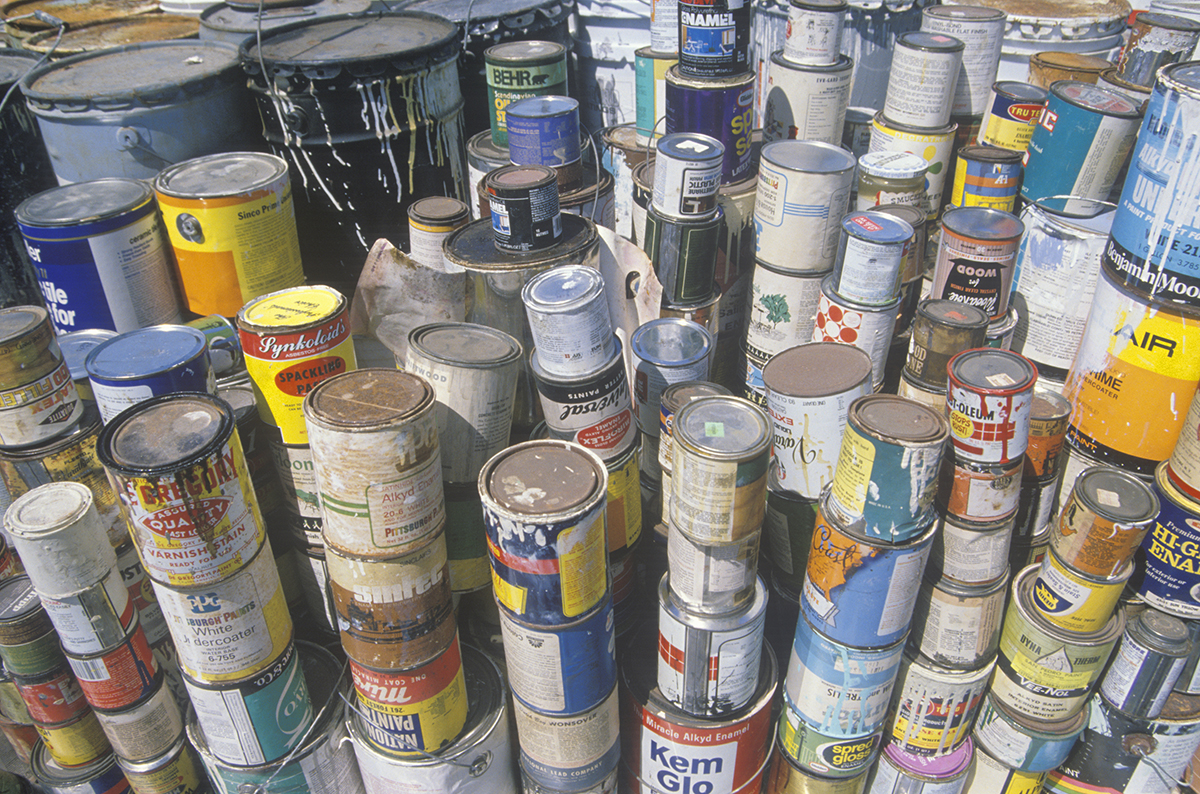
Product stewardship is the act of minimizing the health, safety, environmental, and social impacts of a product and its packaging throughout all lifecycle stages, while also maximizing economic benefits. The manufacturer, or producer, of the product has the greatest ability to minimize adverse impacts, but other stakeholders, such as suppliers, retailers, and consumers, also play a role. Stewardship can be either voluntary or required by law.
Extended producer responsibility (EPR) is a mandatory type of product stewardship required by law. It includes, at a minimum, the requirement that the manufacturer’s responsibility for its product extends to post-consumer management of that product and its packaging. EPR levels the playing field among competitors and incentivizes environmentally conscious design.
Missouri Product Stewardship Council
The Missouri Product Stewardship Council (MO PSC) is a coalition of local governments, businesses, and other stakeholders that aim to reduce waste, increase reuse and recycling, save local governments money, and support jobs. We take a product stewardship approach, which seeks to share responsibility with product manufacturers and creates accountability for managing waste, particularly at the post-consumer stage.
There are four materials the MO PSC has been working on: Tires, Pharmaceuticals, Batteries & Paint!
Paint Stewardship in Missouri
Currently, there are no paint EPR laws in Missouri. In fact, only 12 states in the US have paint EPR regulations. Fortunately, the MARC Solid Waste Management District has taken the lead on bringing a paint stewardship program to Missouri.
Leftover paint that is thrown out with the trash or poured down the drain contaminates the environment with hazardous compounds like mercury and lead. Luckily, most paint is recyclable.
But in Missouri alone, approximately 1.3 million gallons of paint are discarded yearly instead of being recycled. The state could gain about $12 million every year from effectively collecting and managing leftover paint through recycling programs.
Paint EPR laws require paint manufacturers to create and manage programs that promote responsible paint disposal. This simplifies the process for consumers and reduces financial strain on local governments.