Lee’s Summit co-responders connect people in crisis with the right help at the right time

Aug 31, 2026
| Posted in
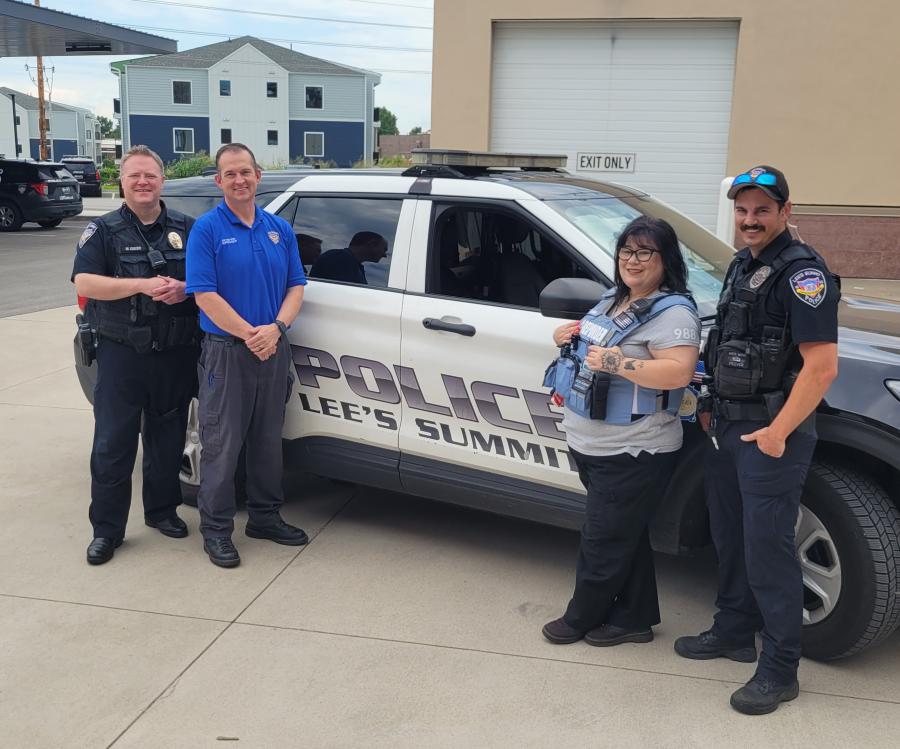
group-photo-of-co-responder-team-in-lee's-summit-missouri

Trained behavioral health professionals with ReDiscover are helping law enforcement in Lee’s Summit, Missouri, change how they respond to people experiencing mental health crises, trauma, homelessness or substance use.  Instead of relying primarily on arrest, booking or emergency-room transport, officers and detention staff also use co-responders to conduct mental health and risk assessments while a person is in police custody.

"We recognize that trained co-responders, someone who has a caring voice and can actually get the person access to resources, is a tremendous asset, something we can leverage easily,” said Michael Isberg, Lee’s Summit police officer and crisis intervention team coordinator. “When a person knows somebody is here to help them, they're a lot calmer with us."

"Trained co-responders, someone who has a caring voice and can actually get the person access to resources, is a tremendous asset."

Officer Michael Isberg, Crisis Intervention Team Coordinator, Lee's Summit Police Department

The presence of co-responders has improved safety for everyone in the detention center – officers and detainees alike. “Their specialized training helps to reduce disruptive behavior and confrontations,” said Michael Jennings, detention supervisor.  “People, when they see somebody really care about their mental health, it just changes their mindset completely.”

Another benefit of allowing behavioral health providers to address a detainee’s clinical needs is that it frees up law enforcement, detention facilities and courts to focus resources where they are most needed, which in turn eases the burden on the criminal judicial system.

"If a co-responder can address the mental health issue and divert or deflect the person away from the courts and into appropriate care and services, that's a win-win for everybody," said Captain Aaron Evans, detention commander.  "They're getting the help and services they need while still being responsible for a criminal act they may have committed."

"If a co-responder can address the mental health issue and divert or deflect the person away from the courts and into appropriate care and services, that's a win-win for everybody." 

Captain Aaron Evans, Detention Commander, Lee's Summit Police Department
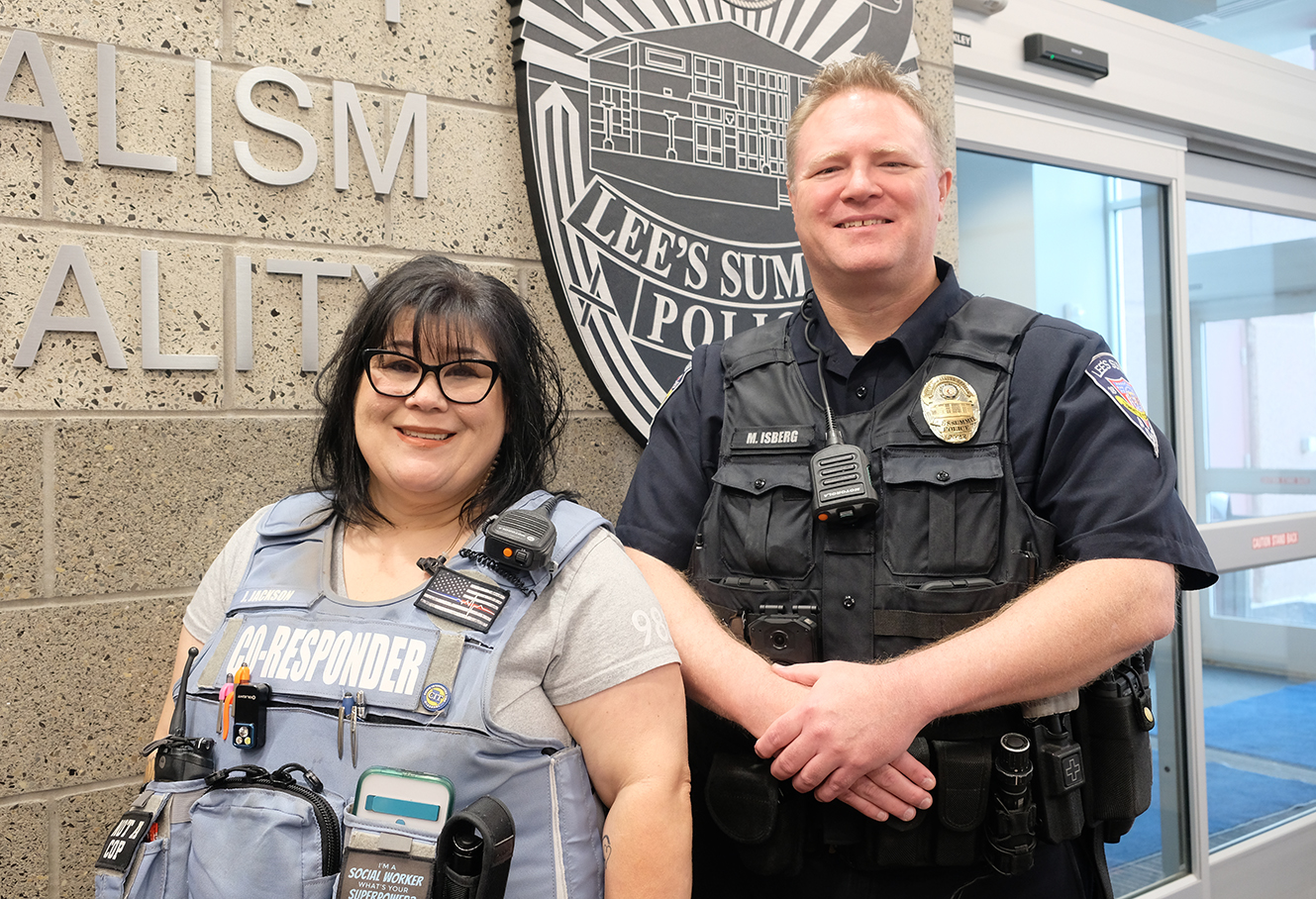
co-responder-Jennifer-Jackson-and-officer-michael-isberg
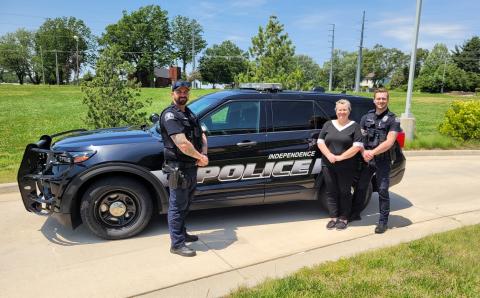
Officer Christopher Bennett, Independence Police Department

Co-responder Jennifer Jackson says the partnership between ReDiscover and Lee’s Summit is helping people not fall through the cracks.  “Jail's not going to help them. It gives them a safe place to sleep, but it's not going to help them," said Jackson. “The goal is to break the cycle that keeps bringing the same people back into detention by addressing the crisis underneath.”

Jackson helps connect residents in detention to crisis centers, shelters, treatment, medication and follow-up services so they leave custody with a plan of action. “I tell people - instead of you coming back to see me, when you get released this time, let’s get you over to a crisis center and connect you with homeless shelters and other transitional living programs, so we can address that mental health issue you're battling," said Jackson.

“Jail's not going to help them. It gives them a safe place to sleep, but it's not going to help them. The goal is to break the cycle that keeps bringing the same people back into detention by addressing the crisis underneath.”

Jennifer Jackson, Co-Responder, ReDiscover

The added capacity co-responders offer positively impacts police departments facing rising behavioral health needs. Officer Isberg calls co-responders force multipliers. “A force multiplier is somebody who can take our capabilities and just expand them drastically, and that's what a co-responder does,” said Isberg.

"Our detention staff reaches out to the co-responder team multiple times, because they really know what they're doing,” added Jennings. “They are so much a bridge between law enforcement, the court and health care. It's simply invaluable.”

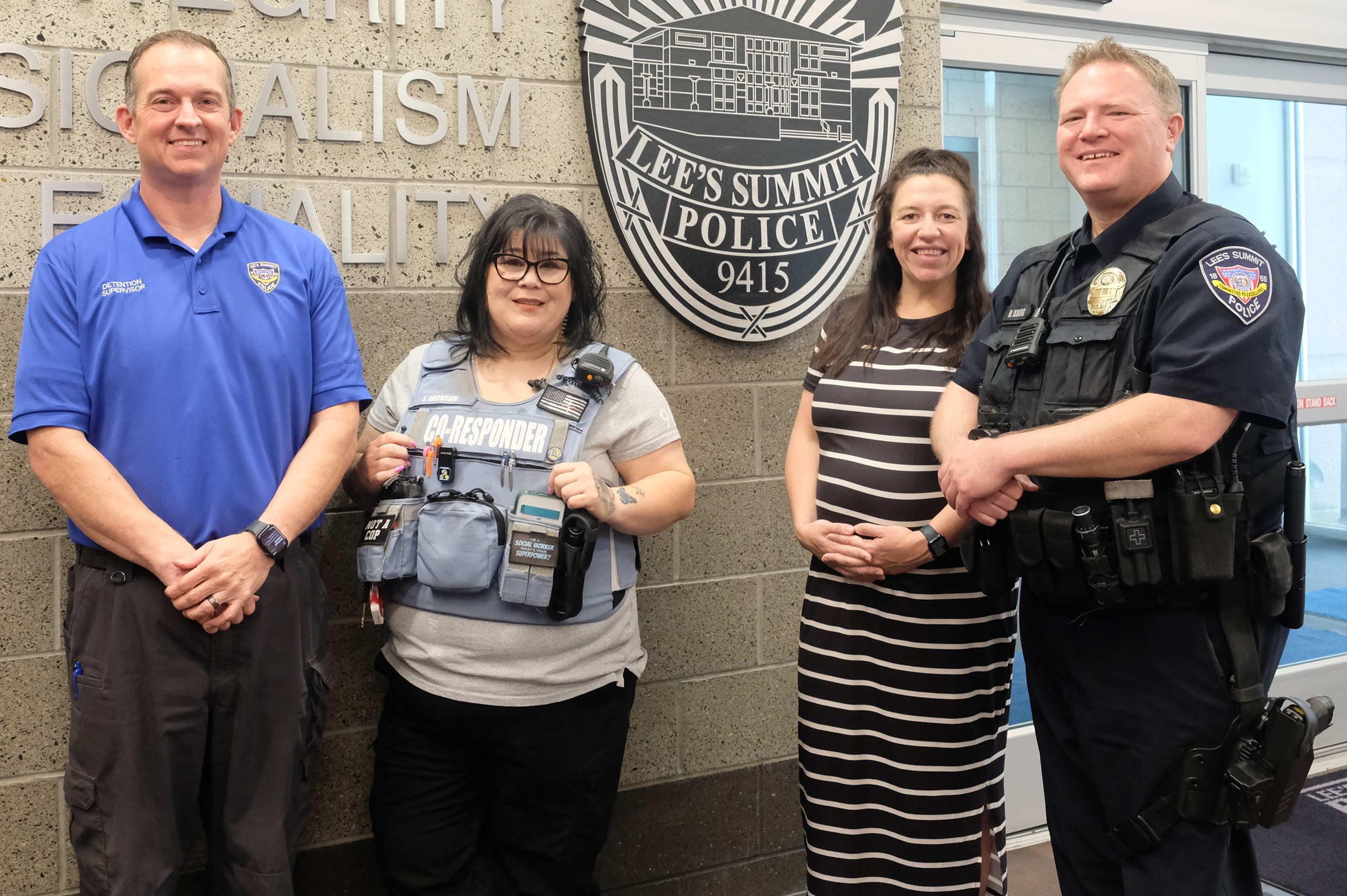
co-responder-team-in-lee's-summit-missouri

Demonstrated Results

According to data from ReDiscover and the Lee’s Summit Police Department, a co-responder accompanied officers on 544 calls in 2025 and conducted 60 detention-based assessments. Of these incidents, 56% were resolved on scene through resource connection, de-escalation, outpatient support, and other services. Twelve percent were diverted from emergency departments. Twenty-six percent were transported to local hospitals for acute assessment and care.

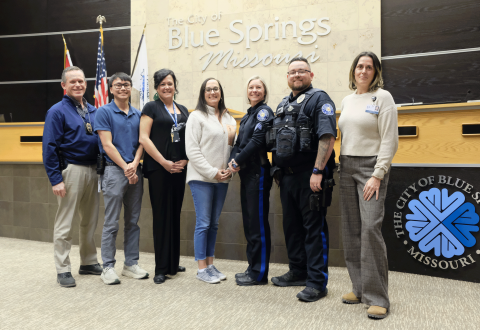
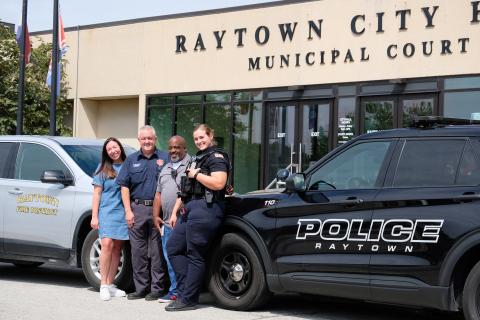
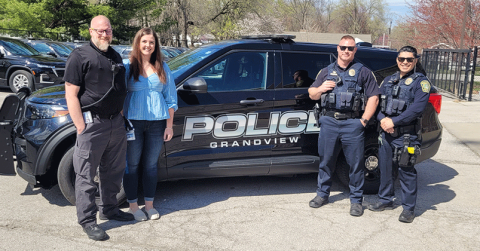
Funded in part by a grant through the Bureau of Justice Assistance Connect and Protect: Law Enforcement Behavioral Health Response Program, the Mid-America Regional Council administers the Eastern Jackson County (EJC) Co-Responder Program and assesses the program’s outcomes and impact. Partners in the EJC collaboration include ReDiscover and Centerstone (formerly Burrell Behavioral Health), along with the cities of Blue Springs, Grain Valley, Grandview, Independence, Lee’s Summit, Oak Grove and Raytown, Missouri.

For questions about the EJC Co-Responder Program, please contact MARC. Learn more about co-responder-related services from ReDiscover.