Strategy 12
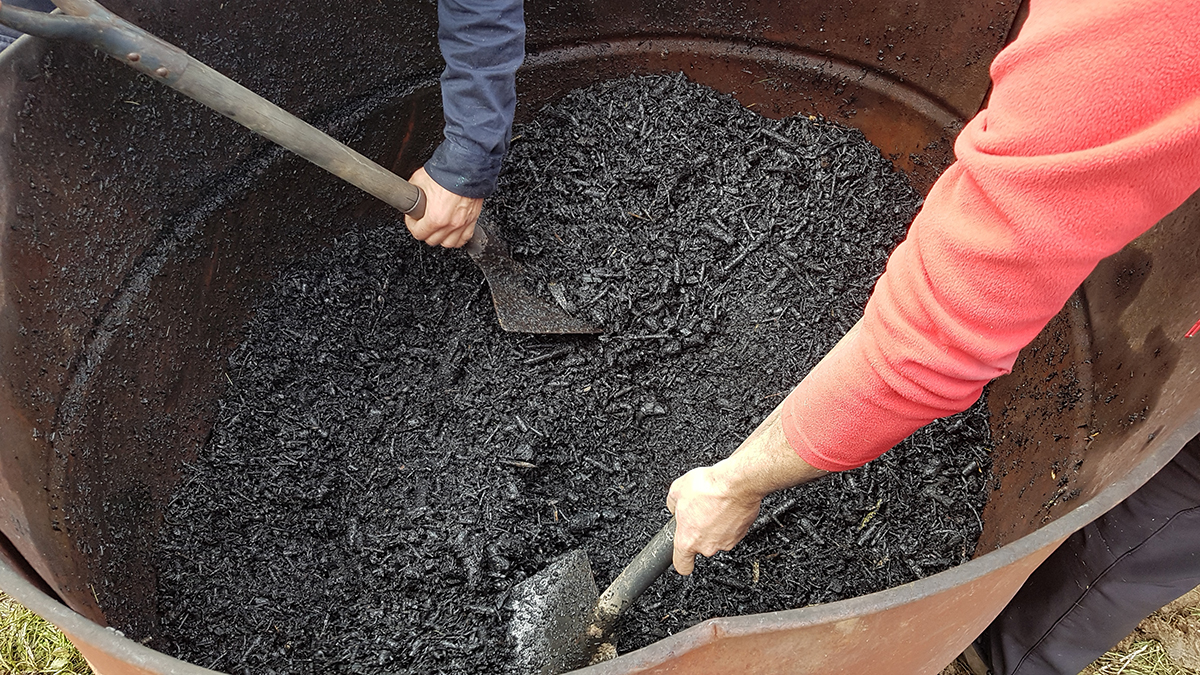
Expand energy production from solid waste, including biochar processing of biosolids and anaerobic digestion of organics.
Until behavior changes and new recycling solutions are widely adopted, solid waste will continue to be generated. Several technologies in the current marketplace can recover energy and, in some cases, valuable materials from this waste stream.
Anaerobic digestion converts organic waste into renewable natural gas (RNG) and digestate for composting. Pyrolysis produces energy sources such as electricity, biodiesel and biochar, and it can also convert discarded tires into crude oil, carbon black and steel. Other systems can sort metals, glass and other inorganics from municipal solid waste and turn the remaining material into cleaner-burning fuel pellets with a BTU value similar to coal. Landfill gas emissions are also increasingly captured for energy, either used directly or refined into RNG.
Strategy alignment
| Diversion impact | Significant | High | Important |
|---|---|---|---|
| Community Benefit | Impactful | Inspiring | Hidden |
| Value | Enhanced | Retained | Jobs |
| Ease of implementation | Expandable | Removable barriers | Long-term effort |
Strategy details
Diversion Impact
Important
Waste-to-energy solutions can achieve high landfill diversion rates. One such solution introduced in 2025 to elected leaders in the KC region touts the ability to divert up to 90% of MSW from landfills.
Community benefit
Impactful
Using solid waste to generate energy can significantly extend the life of current landfills and alleviate pressure on local communities to determine where new landfills will be sited. Nearly all of the solutions either sequester current carbon emissions associated with the waste or provide an alternative fuel that generates fewer carbon emissions than traditional sources. It also provides a locally sourced supply of energy and other products that enhance community resilience and sovereignty.
Value
Enhanced
Producing energy from solid waste generates some value, but it should be viewed as a last resort prior to landfilling (with higher priority given to those solutions that generate energy and marketable commodities—like biochar). Preferably, resources will be recovered and used for their original intent. Whether it's biosolids or used furniture, the ultimate goal in the region's recovered material plan is to always keep waste circulating at its highest value.
Ease of implementation
Long-term effort
These operations require capital, infrastructure, permitting, land development and, most importantly, long-term agreements for waste feedstock. It's not worth the investment for these solution providers to build their operations unless they have a guaranteed, consistent stream of the desired waste flowing to them. The one exception to the rule is landfill gas. The supply is assured and easily forecasted, however limiters can be proximity to natural gas service line or off-take operations and the capital required to further plumb and extract the gas. In terms of timing, some of the solutions mentioned can be operational within a year, and some can take 10+ years for planning and implementation.
Getting started
- Highlight current success stories in the region. Examples include:
- Systech Environmental's WTE plant in Sugar Creek
- GFL's landfill gas reformation plant in Sedalia
- Cirque Renewable's pyrolysis operations
- City of KCMO's Blue River Biosolids Facility
- Showcase new technologies that could be deployed in the region. Examples include:
- Wastaway
- ZrO Waste Group
Stakeholders
- Elected officials
- Public works
- Landfill operators
- Large generators and aggregators of organic waste or high-BTU waste
- Economic development experts