Strategy 2
Support the development of reuse hubs to reclaim reuseable materials locally
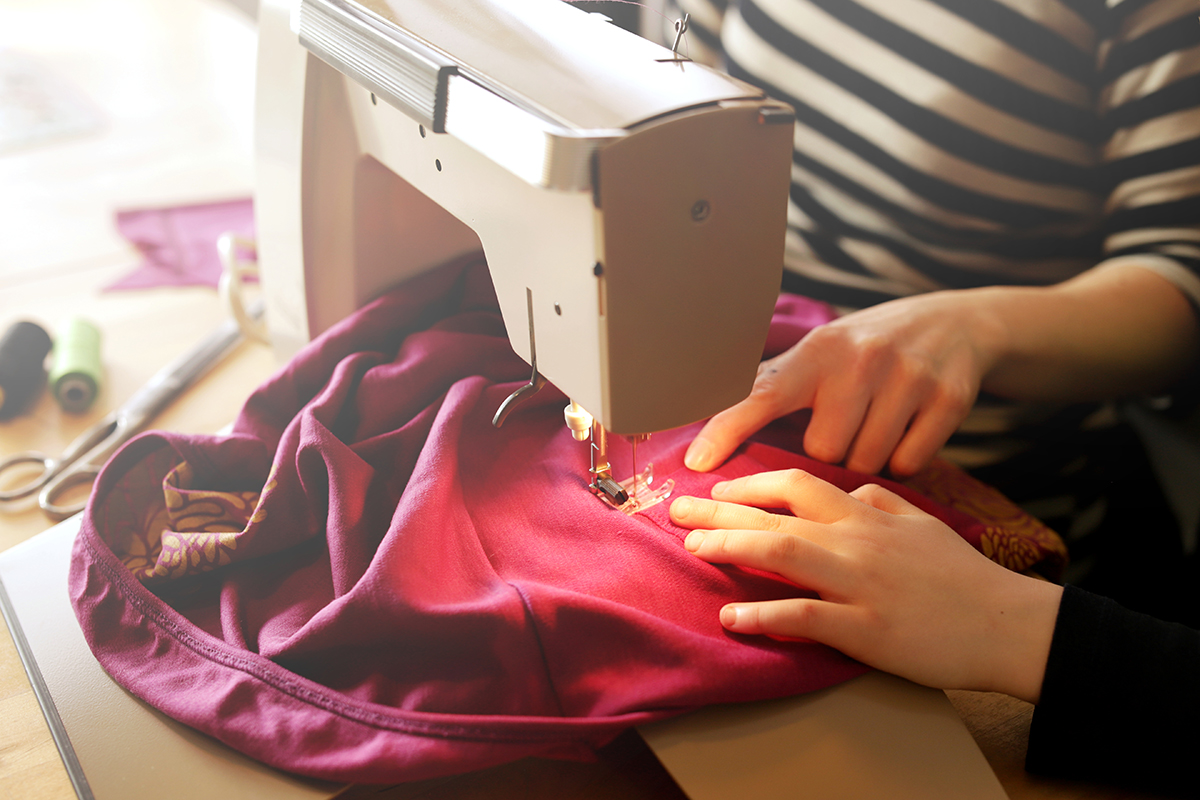
Expand repair services and maker spaces to increase accessibility to fix and upcycle durable goods including clothing.
Strategy alignment
| Diversion impact | Significant | High | Important |
|---|---|---|---|
| Community Benefit | Impactful | Inspiring | Hidden |
| Value | Enhanced | Retained | Jobs |
| Ease of implementation | Expandable | Removable barriers | Long-term effort |
Strategy details
Diversion Impact
Significant
Local accessible hubs for the collection and redistribution of durable goods could greatly expand the life of items.
Community benefit
Impactful
Reuse hubs would operate as community workspaces where people can repair, upcycle, and repurpose unused items. These vibrant, collaborative spaces would provide access to materials for reuse projects and create opportunities to earn income through the resale of refurbished goods.
Value
Retained
Used items can be recovered before they reach the trash, preserving their value—and even increasing it—through repair and upcycling. According to the 2025 Material Flow Analysis for the KC Metro Area, repairing items creates 200 times more jobs than landfilling them.
Ease of implementation
Removable barriers
Securing neighborhood spaces where residents can participate in reuse activities will require initial support from local governments or nonprofits. Over time, the economic value these hubs create can help them become self‑sustaining.
Getting started
- Create a list of reuse facilities and post on RecycleSpot.
- Visit and discuss expansion.
- Encourage local govt to provide space, operational support and or communication with the public.
Stakeholders
- Circular KC members
- Thrift stores
- Flourish Furniture Bank, Re Use Full and other nonprofit organizations
- Full-service junk removal companies
- Local government bulky item pick-up services