Strategy 5
Establish a regional home composting training program.
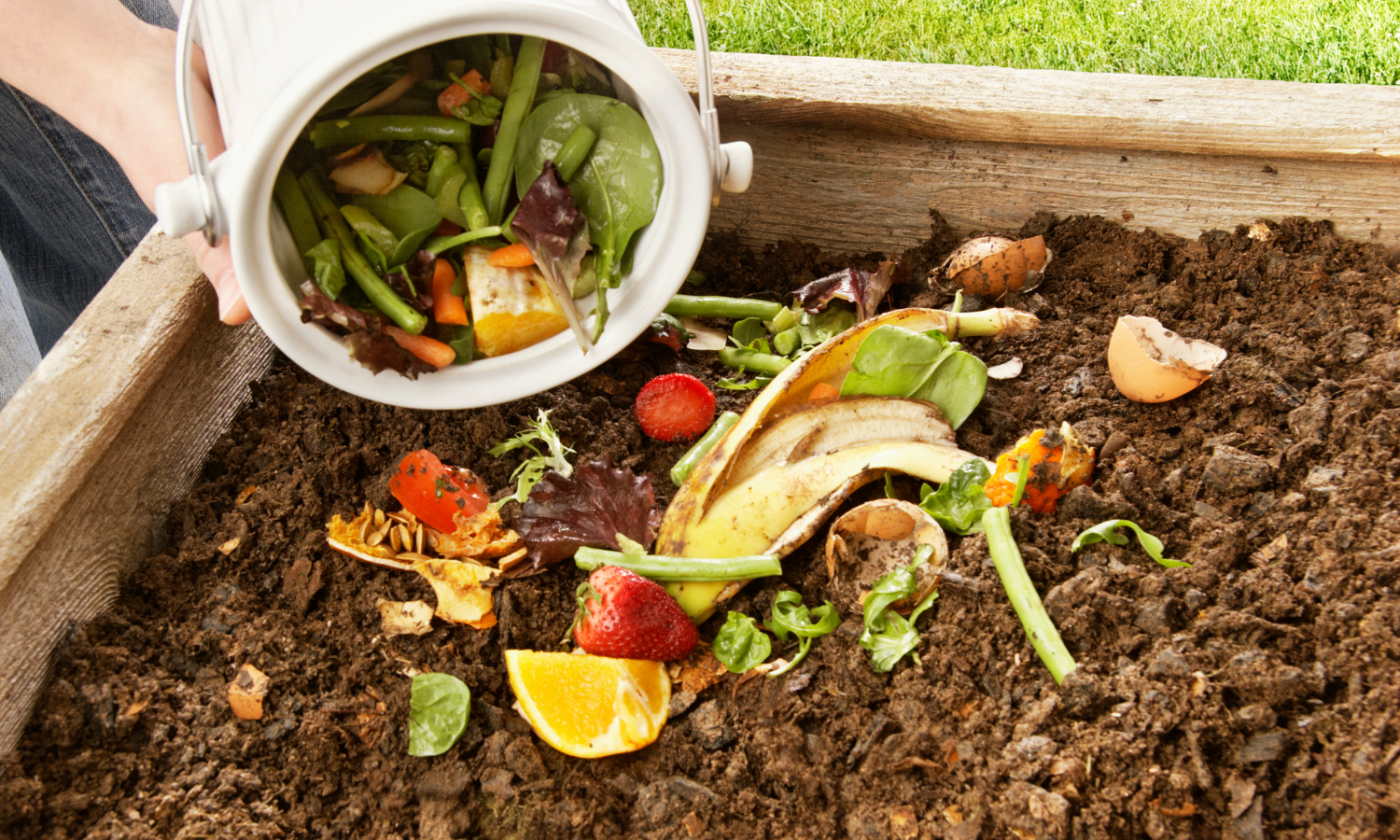
Reduce landfilling and transportation of organic waste by teaching residents how to compost. This approach applies to both yard waste and food waste.
Strategy alignment
| Diversion impact | Significant | High | Important |
|---|---|---|---|
| Community Benefit | Impactful | Inspiring | Hidden |
| Value | Enhanced | Retained | Jobs |
| Ease of implementation | Expandable | Removable barriers | Long-term effort |
Strategy details
Diversion Impact
Important
Provides a hyperlocal alternative to commercial or community composting options.
Community benefit
Inspiring
Empowers individuals to choose an environmentally friendly alternative to throwing away food scraps while also providing free compost they can use in their home gardens.
Value
Enhanced
Enhances the value of yard waste and food scraps by returning their nutrients to the soil, improving soil health. Gardens that use this enriched soil help strengthen local food production.
Ease of implementation
Expandable
A pilot train‑the‑trainer composting program launched in 2025 with support from SWMD grant funding. Expanding the number of trained instructors will allow the program to reach more communities across the region in 2026.
Getting started
- The SWMD will hire staff to implement the program.
- Track and promote home composting training activity.
- Support educational materials and content for train-the-trainer workshops.
- Map community composting locations to encourage resident participation.
Stakeholders
- Missouri Organic Recycling
- Katie White
- Stan Slaughter
- Marty Kraft