
Strategy 7
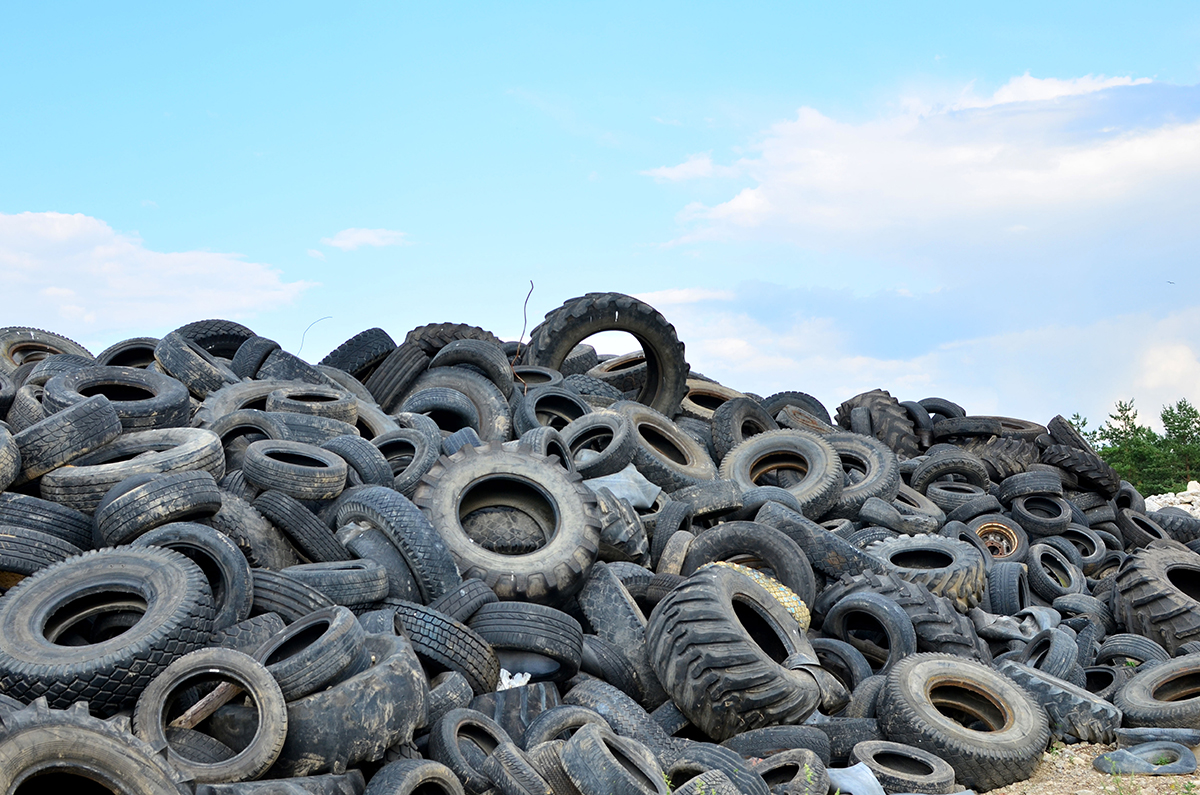
Encourage use of scrap tires in asphalt paving
Asphalt paving includes petroleum products, binders and polymers. Scrap material from used tires can provide the same properties and has been proven to provide added durability to roads. The excess supply of used tires provides abundant resources, and the transition to use them as an ingredient in asphalt paving is already underway.
Strategy alignment
| Diversion impact | Significant | High | Important |
|---|---|---|---|
| Community Benefit | Impactful | Inspiring | Hidden |
| Value | Enhanced | Retained | Jobs |
| Ease of implementation | Expandable | Removable barriers | Long-term effort |
Strategy details
Diversion Impact
Significant
Tires are banned from landfills, but are commonly illegally dumped because of the low value and lack of end markets for recycling.
Community benefit
Inspiring
Capturing used tires for a material use will reduce illegal dumping and mass accumulation, which is a health and safety issue.
Value
Enhanced
Increasing local end markets for waste tires helps reduce disposal costs. Many solution providers in the region have already reached capacity, forcing major tire aggregators to seek disposal options outside the area and absorb higher hauling expenses. Research shows that rubber‑modified asphalt, which incorporates crumb rubber from waste tires, offers several advantages. It is more durable and flexible than conventional asphalt, reduces vehicle tire wear and can improve fuel efficiency.
Ease of implementation
Expandable
The JM Fahey Construction Company currently has the equipment to process and deliver asphalt containing chipped tires to the region. ABC Tires already chips tires for use in asphalt, but exports almost all material out of the region. Getting local, county and state offices to revise their specs for roads can be challenging. It involves changing paradigms, educating civil engineers on the benefits and test results of including this new ingredient into asphalt, and expanding the number of paving companies who are open and willing to change their process and incorporate tires into their asphalt mix.
Getting started
- Look at where there has already been success: City of KCMO already implemented a "trash to roads" concept in 2025 in partnership with Live Green and the University of Missouri.
- Share case studies like this and their outcomes. This is a great way to begin de-risking similar decisions for other cities and counties.
- MARC SWMD has an opportunity to convene transportation planning officials in a wider exploration of circular inputs that can be incorporated into the region's roads.
Stakeholders
- State, county and municipal-level transportation officials
- Asphalt paving companies
- Live Green
- University of Missouri
- Lee's Summit Resource Recovery Park