Strategy 6
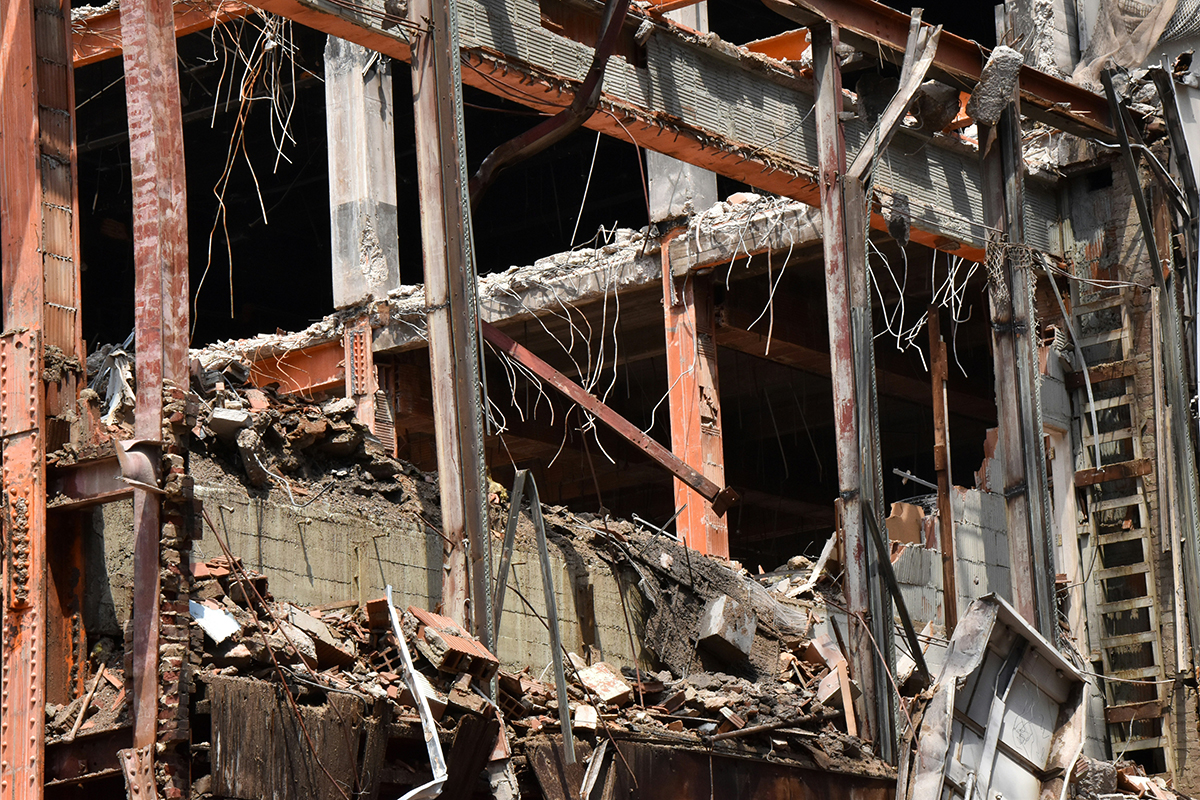
Promote material recovery from construction waste and advocate for the deconstruction of buildings.
Diversion of construction and demolition waste is most valuable when the recovered materials are used in new buildings or facilities. Remanufacturing these materials can produce lower‑carbon construction products, and deconstruction practices can supply materials that are immediately ready for reuse.
Strategy alignment
| Diversion impact | Significant | High | Important |
|---|---|---|---|
| Community Benefit | Impactful | Inspiring | Hidden |
| Value | Enhanced | Retained | Jobs |
| Ease of implementation | Expandable | Removable barriers | Long-term effort |
Strategy details
Diversion Impact
Significant
Construction and demolition waste can be diverted from both sanitary and C&D landfills, and estimates suggest these materials make up as much as 20 percent of what is landfilled.
Community benefit
Impactful
Recovered construction materials can be used in new housing and accessory buildings. Local collection, sorting and repurposing efforts also create meaningful income opportunities for the community.
Value
Retained
Using diverted materials in new construction represents their highest and best use, with rebuilding delivering the greatest overall value.
Ease of implementation
Long-term effort
Educating city staff, builders, and demolition contractors is essential for identifying opportunities to increase material diversion. Developing the capacity to recover, process, and reuse materials will require sustained effort over time.
Getting started
- Prepare a guidebook for local government to share with permit seekers.
- Post an RFI (request for information) to identify businesses and individuals offering services necessary for C & D recovery.
- Convene stakeholders to identify barriers and opportunities for material recovery and reuse.
Stakeholders
- Habitat Restore
- Ric Lutz
- City planners
- Local builders and architects