Housing and Transportation Coordination Plan

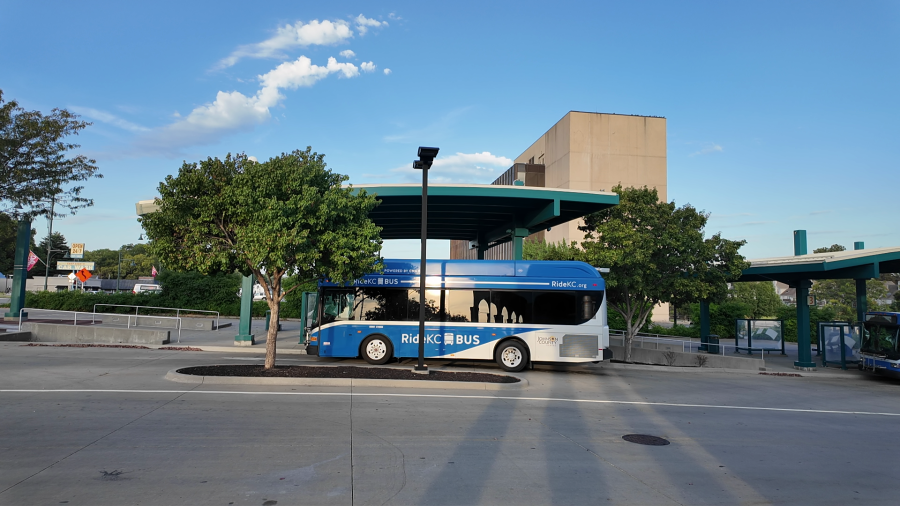
Bus parked at Mission Transit Center

Connecting Housing, Transportation and Opportunity Across Greater Kansas City

MARC’s Regional Housing and Transportation Coordination Plan will help shape a more connected, affordable and sustainable future by aligning housing, transportation and economic development strategies throughout the Kansas City region.

Why This Plan Matters

Housing and transportation are connected.

For many households, housing and transportation represent the two largest monthly expenses. Where people live impacts access to jobs, education, healthcare and daily services.

This initiative will outline strategies that:

  • Reduce housing and transportation cost burdens
  • Improve access to employment opportunities
  • Support efficient and sustainable regional growth
  • Advance livable, connected communities
  • Align transportation investments with housing priorities
Layer Title
Housing and transportation cost burden in the Kansas City region
Table
(2023, Center for Neighborhood Technology’s Housing and Transportation (H+T®) Affordability Index)
Metric Percent
Average housing cost burden 24.4%
Average transportation cost burden 21.1%

Project Overview

What is the Regional Housing & Transportation Coordination Plan?

The plan will establish a framework for regional collaboration and help MARC incorporate housing considerations into transportation planning processes.

  • Housing Affordability
    • Understanding where housing options exist and where additional housing opportunities are needed.
  • Transportation Access
    • Evaluating access to transit, bicycle, pedestrian, and roadway networks.
  • Economic Opportunity
    • Examining how transportation and housing choices affect employment access.
  • Livable Communities
    • Supporting neighborhoods that provide access to daily needs, services, and amenities.
  • Efficient Land Use
    • Encouraging growth patterns that reduce costs and support transportation investments.
  • Community Stewardship
    • Exploring strategies that preserve affordability and support existing residents.

Planning Process

How the plan is being developed

Phase 1: Existing Conditions Assessment

Evaluating housing, transportation, economic, demographic and land-use patterns.

Phase 2: Stakeholder Engagement

Gathering input from local governments, housing organizations, developers, employers, transit providers and community members.

Phase 3: Goals & Strategies

Identifying actions and policies that improve regional coordination.

Phase 4: Implementation Framework

Developing recommendations, tools, and business practices that support ongoing housing and transportation planning.

Engagement Opportunities

We want to hear from you.

Community and stakeholder participation is essential to the success of this plan. Opportunities include: 

  • Stakeholder workshops
  • Surveys
  • Public presentations
  • Regional walking tours

Contact us

False