About Us

The Mid-America Regional Council is a nonprofit association of city and county governments and the metropolitan planning organization for the bistate Kansas City region. Governed by a Board of Directors made up of local elected officials, we serve nine counties and 119 cities. We provide a forum for the region to work together to advance social, economic and environmental progress. 

As a voluntary association of local governments, MARC convenes partners and coordinates planning efforts on a wide range of issues that are important to communities in the metro, including aging services, early learning, health care, community development, homeland security, emergency services, the regional 911 system and much more. We work with cities, counties and other entities to identify common objectives and achieve our collective goals. MARC has no taxation or regulatory authority.

A message from our Board Chair

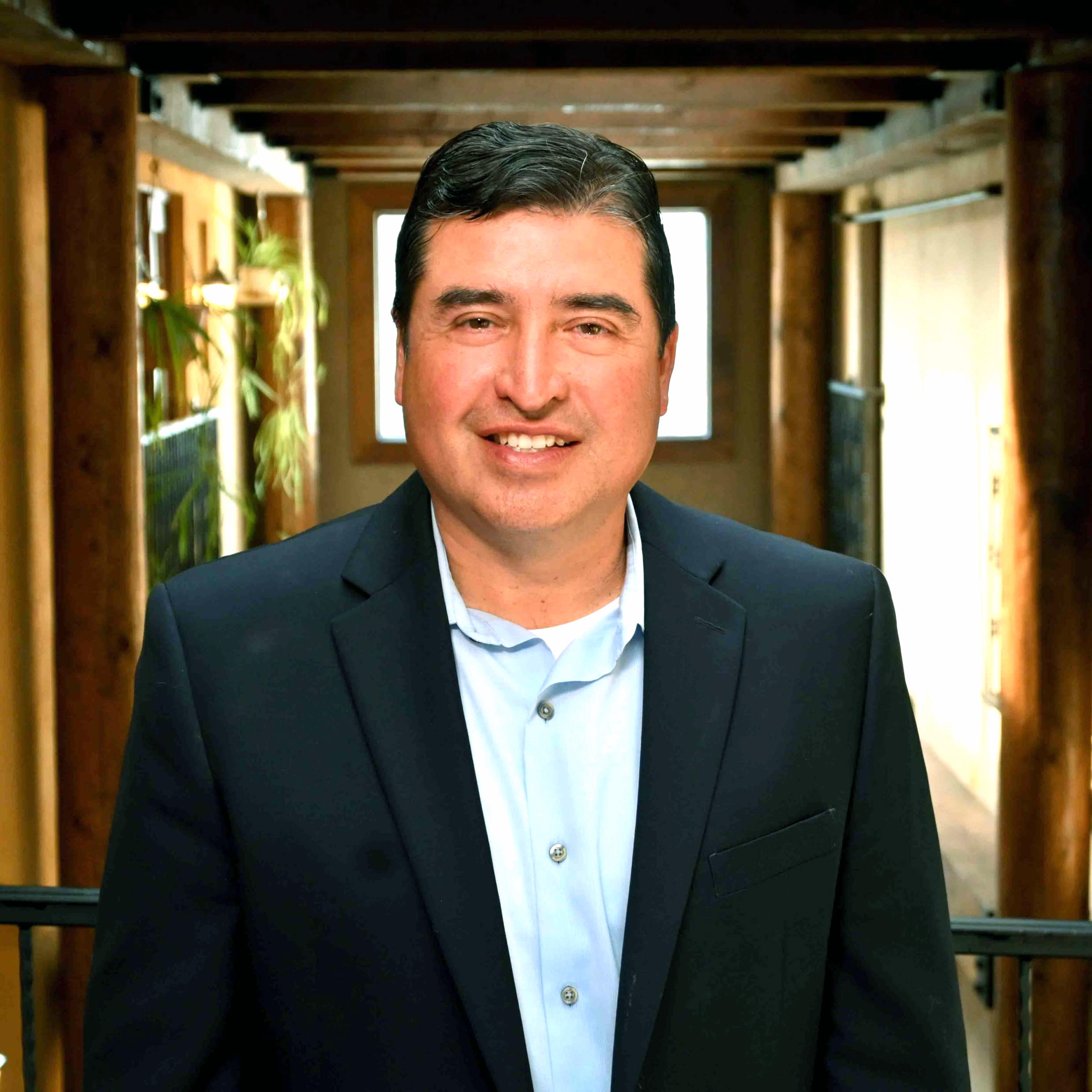
Beto Lopez, Mayor Pro Tem, Lee's Summit
Beto Lopez, Mayor, Lee's Summit, Missouri

Across the Kansas City region, 2025 showed us what is possible when communities work together to prepare for what’s ahead. As the metropolitan planning organization and a trusted convener, MARC helped local governments, community organizations and regional partners turn shared priorities into measurable progress. This year’s Annual Review highlights not only what we accomplished together, but how those accomplishments position the region for what comes next, from safer streets and stronger neighborhoods to cleaner air, expanded services for older adults, and better opportunities for children and families. 

That question — what comes next — felt especially timely this year. After years of planning, the Kansas City region came together to support and celebrate the FIFA World Cup 2026™, a global moment that showcased our communities and demonstrated our ability to welcome the world. At the same time, MARC entered its own next chapter, by preparing to welcome a new executive leadership and transition to a new office designed to support collaboration, innovation and regional service. Thank you to the many partners who made this work possible. Our region is stronger because of you. Together, we are well positioned to carry the momentum of this moment of visibility, transition and opportunity into lasting impact for Greater Kansas City.

Efficient Transportation and Quality Places

Develop and advance regional plans for a safe, balanced and efficient transportation system. Establish priorities, guide investments and support coordinated operations to help achieve our regional vision for people, places and communities.

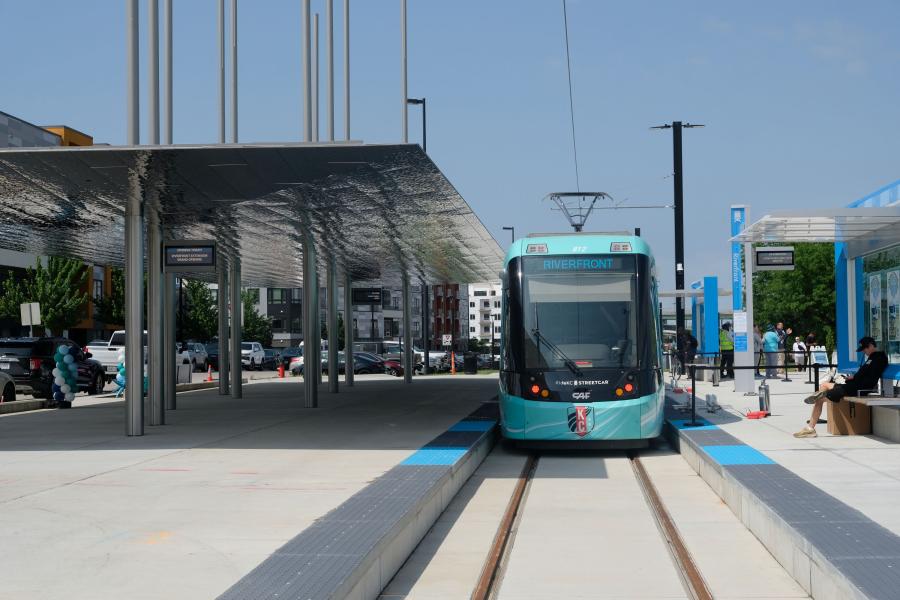
KC Streetcar at the Riverfront stop on a sunny day

Pictured: The Kansas City Streetcar route extended to provide service from Berkley Riverfront Park to the University of Missouri - Kansas City.

2025 Transportation Highlights

Transportation investments

MARC coordinated over $3 billion in funding in 2025 through the Transportation Investment Program, the region’s short-range program that identifies projects to receive federal funds and projects that are of regional significance to be implemented over the next three to five years. Funded projects include improvements to streets, bridges, transit and trails. Additionally, MARC supported the Bi-State Sustainable Reinvestment Corridor as it moved into its second phase with partners advancing zero-emission transit access to jobs and services, and reinvestment in neighborhoods along a 24-mile corridor between Independence, Missouri, and Kansas City, Kansas. 

In 2025, MARC collected input about the project through public meetings and listening sessions at local businesses about potential bus rapid transit routes and station stop designs. Residents, workers and visitors were also invited to take part in public walking audits to explore how people move through the corridor and weigh in on a safer, more connected future.

Active transportation

MARC advanced active transportation planning by initiating an update to the Greater Kansas City Regional Bikeway Plan, helping local governments create a safer, more connected network of bicycle facilities across the region. Staff also collected and updated data for the 2026 Regional Trails & Bikeways Map, adding information on more than 2,000 miles of trails and bikeways, plus tournament-related activity locations, to
help residents and visitors navigate the region and explore transportation alternatives.

Operation Green Light

Operation Green Light continued to improve traffic flow, reduce congestion and lower vehicle emissions by coordinating traffic signal operations across the Kansas City region. In 2025, the program completed a federally funded pilot project to evaluate traffic signal performance on key corridors, helping agencies identify opportunities to improve travel reliability and system efficiency. Operation Green Light also responded to 370 roadway events and 574 traffic signal issues, while supporting regional transportation planning and
operational preparations for the FIFA World Cup 2026™.

Community planning

Through MARC’s Planning Sustainable Places (PSP) program, local governments are advancing plans and projects that support walkable districts, mixed-use development, transportation choice and vibrant public spaces. In 2025, MARC administered 17 PSP projects across the region and highlighted successful outcomes through the Vibrant Success Stories event, which showcased communities that have translated planning into tangible improvements. The program helps communities implement the goals of Connected KC 2050 and local comprehensive plans. MARC will make approximately $1.3 million available for transportation-focused planning and implementation projects through the 2027 PSP funding cycle.

Transportation alternatives

WAY TO GO helped connect residents to affordable, sustainable transportation options through its website, app and commuter programs. In 2025, the program supported FIFA World Cup 2026™ transportation planning, engaged the public in the Smart Moves Transit and Mobility Plan and promoted active transportation through Bike Month events, including an E-bike petting zoo.

Transportation safety

In 2025, MARC advanced regional transportation safety by launching development of the Destination Safe Comprehensive Safety Action Plan, a data-driven effort to reduce traffic fatalities and serious injuries across the Kansas City region. MARC completed crash analyses, identified high-injury and highrisk transportation networks, and developed a new crash data dashboard that helps local governments and safety professionals better understand roadway risks and prioritize improvements.

Streamlining decision-making

A comprehensive review of the region’s transportation planning and programming committee structure helped identify ways to improve efficiency, transparency and regional engagement. By benchmarking practices used by peer metropolitan planning organizations and gathering input from local governments, transportation partners and committee members, the effort identified opportunities to streamline decision-making, reduce redundancies and strengthen participation in the region’s transportation planning process.

Federal recertification

MARC successfully completed the federal recertification review of the Kansas City region’s transportation planning process in 2025, achieving full certification with no corrective actions required. Conducted every four years by the Federal Highway Administration and Federal Transit Administration, the review confirmed that the region’s transportation planning program meets all federal requirements and remains eligible for federal transportation funding. MARC also received multiple commendations for innovative planning efforts, including the use of data visualization tools, promotion of transportation options through WAY TO GO, enhancements to the PSP program and work to evaluate transportation risks from natural hazards.

Spotlight: Connected KC 2050

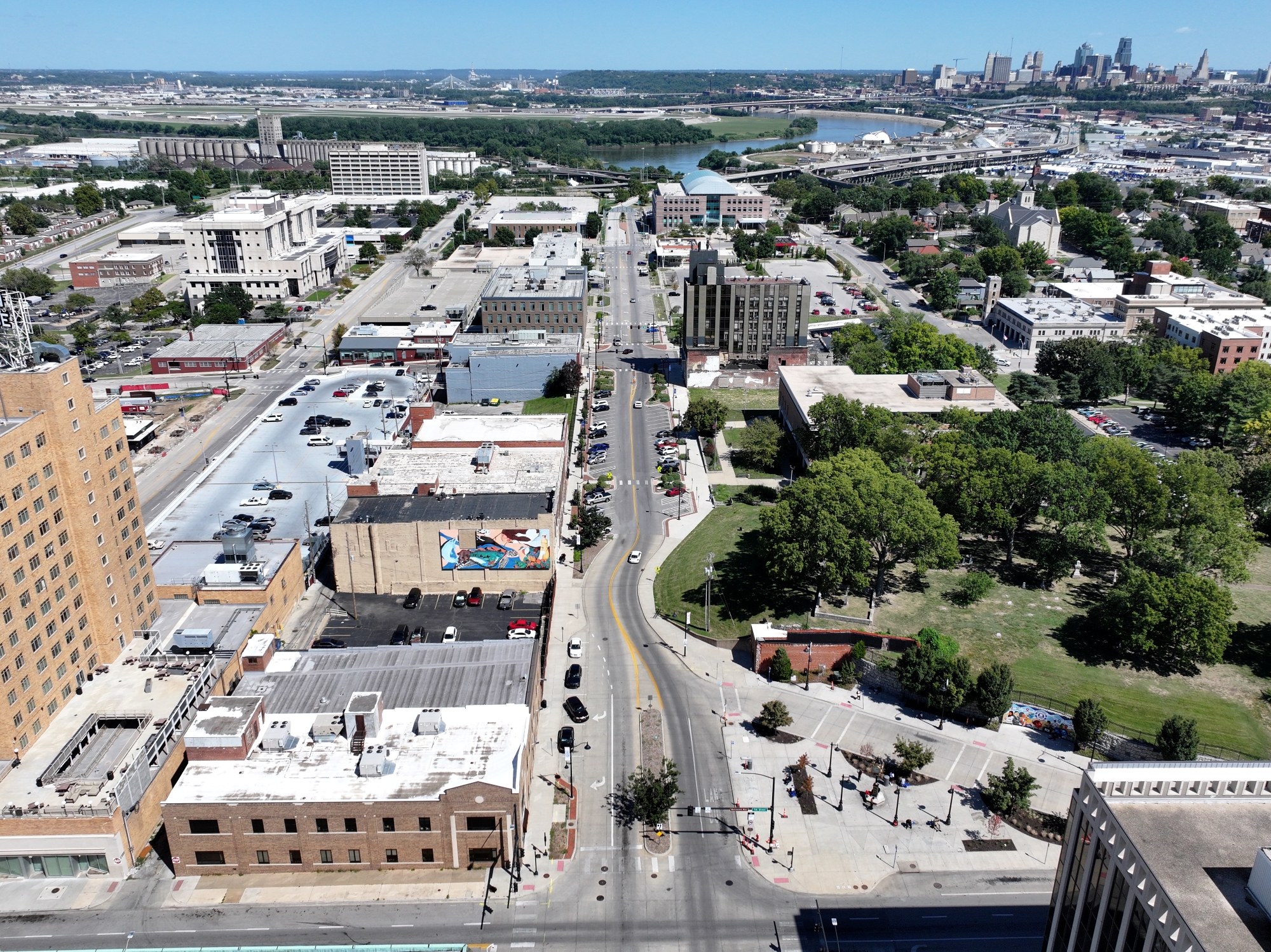
Aerial view of downtown Kansas City, Kansas

In 2025, the region adopted an updated Connected KC 2050 plan, setting a long-term vision for transportation investments that improve safety, expand multimodal options and support sustainable development. This two-year process involved collaboration with federal and state transportation departments, public transit providers, local governments and community organizations.

The updated plan introduces a new housing goal, strategies for housing coordination and digital connectivity, and revised forecasts for regional growth through 2050. It also identifies challenges the region will need to address, including identifying new resources to strengthen the public transportation services that support important economic and environmental goals. As the region’s metropolitan planning agency, MARC is required to update the plan every five years.

Healthy environment

Develop and implement collaborative initiatives that catalyze community and environmental health by keeping the region’s air and water clean, reducing the amount of waste sent to landfills, protecting watersheds and conserving green infrastructure, and advancing energy efficiency and renewable energy.

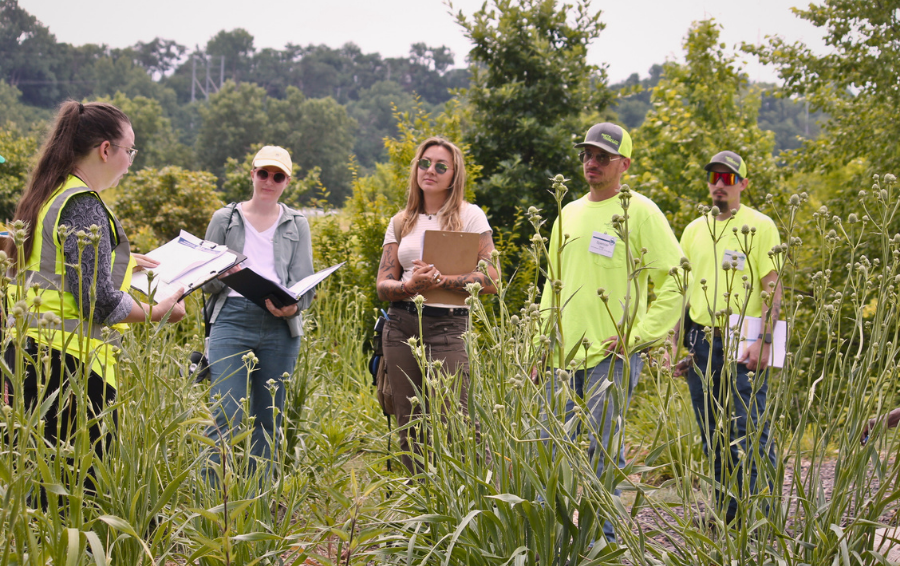
Training coordinator describes native plant installation to participants with clipboards and high-vis clothing

Pictured: The Mid-America Green Stormwater Infrastructure Certification Program provided training and education for professionals and businesses who build or maintain green stormwater infrastructure projects.

2025 Environment Highlights

Community Action

MARC accelerated implementation of the Kansas City Regional Priority Climate Action Plan in 2025 by providing communities with new tools, data and strategies to reduce emissions, improve energy efficiency and prepare for extreme weather. Initiatives included support for a regional urban heat island reduction program that planted approximately 1,700 trees, completion of the 2025 Climate Action Technical Report and performance metrics framework, and the first phase of a regional transportation resilience assessment. MARC also finalized the Kansas City Regional Electric Vehicle Readiness Plan and launched implementation resources to support future charging infrastructure investments. Local success stories were celebrated through a regional Vibrant Success Stories event that showcased innovative community planning and sustainability projects.

Green infrastructure

In 2025, MARC expanded the Mid-America Green Stormwater Infrastructure (GSI) Certification Program, which is helping build the regional workforce needed to install, inspect and maintain green stormwater systems that improve water quality and reduce runoff. MARC now hosts new on-demand maintenance and inspection training courses in both English and Spanish and developed curriculum for advanced hands-on field training opportunities designed to support the long-term performance of green stormwater infrastructure projects. MARC also delivered 10 hours of riparian restoration training through three workshops, equipping local government staff, contractors and environmental professionals with practical strategies.

Solid waste management

A more sustainable materials management system took shape in 2025 through regional planning, public education and community partnerships. The MARC Solid Waste Management District completed an updated integrated solid waste management plan, developed a regional materials recovery strategy through extensive stakeholder engagement, participated in a regional materials flow study, and continued implementation of the Food Loss and Waste Reduction Action Plan. The district also expanded outreach through the Food Waste Bites campaign, launched a backyard composting train-the-trainer program and hosted a workshop in partnership with Circular KC to create an action plan for zero-waste events inspired by FIFA World Cup 2026™ planning. Through the Regional Household Hazardous Waste Program, residents safely disposed of more than 350,000 pounds of hazardous materials, while $551,718 in grants supported waste reduction, recycling, composting and reuse initiatives — including innovative projects such as reusable cup programs at Arrowhead Stadium — helping divert materials from landfills and strengthen the region’s circular economy.

Building energy efficiency

Through the U.S. Department of Energy’s Renew America’s Nonprofits initiative, MARC completed energy audits for nonprofit-owned facilities, laying the groundwork for building upgrades that can reduce energy consumption and freeing resources for mission-driven work. MARC also supported architects, engineers and affordable housing providers in meeting Kansas City’s energy code requirements, hosted educational events to encourage building code adoption, collaborated with the state of Missouri on a Solar for All implementation framework, and completed a market assessment identifying opportunities to expand energy efficiency investments throughout the region.

Air quality

MARC advanced regional air quality efforts in 2025 through expanded monitoring, public education and coordinated planning designed to protect public health and support compliance with air quality standards. The Air Quality Program expanded the region’s particulate matter monitoring network by activating additional community sensors, integrating air quality analyses into the Kansas City Regional Climate Action Technical Report, partnering with the state of Kansas to update the regional smoke management plan and coordinating planning related to emerging particulate matter standards. Public outreach campaigns continued to build awareness and encourage actions that reduce emissions, with 37% of surveyed residents reporting they had seen or heard air quality education messages during the year, up from 31% in 2024. MARC also began development of a redesigned AirQKC.org website to improve public access to air quality information, forecasts and resources.

Brownfields

The Brownfields Program advanced redevelopment and neighborhood revitalization opportunities across the region by helping communities identify, assess and prepare underutilized properties for future investment. In 2025, MARC identified priority commercial and industrial sites, completed 16 environmental assessments and cleanup plans, and finalized remedial action plans for three properties, helping remove barriers to redevelopment and economic growth. The program also expanded its focus on community revitalization by assessing 15 residential properties, two multifamily sites, a grocery store, a community garden and four community projects.

Spotlight: Water Quality

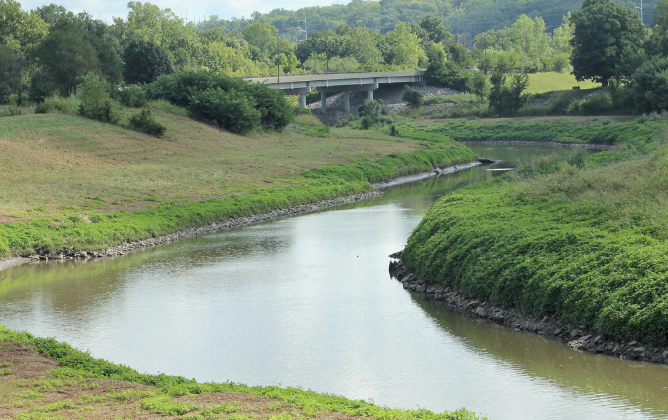
Winding river along lush green terrain with freeway bridge in the background

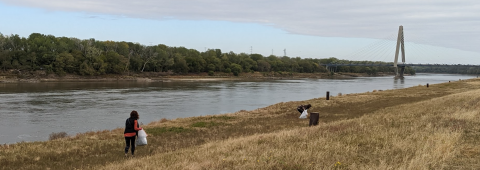
MARC and regional partners advance initiatives to protect water resources, reduce flood risks and promote more sustainable resource management across the Kansas City region. In 2025, MARC finalized updates to regional stormwater engineering standards and continued the Little Blue River Flood Risk Mitigation and Ecosystem Restoration Feasibility Study with the U.S. Army Corps of Engineers. MARC also hosted the biennial Kansas City Urban Stormwater Conference, convening more than 250 participants and nearly 70 presenters from across the country to share best practices in watershed planning, civil works projects and stormwater management, followed by the release of updated regional guidance and best practices manuals. MARC finalized development of KCRainKeepers.org, a redesigned resource that helps residents and communities take actions to improve water quality and manage stormwater runoff. The website launched in early 2026.

Competitive economy

Strengthen the region’s economic strategies through data, research and analysis. Convene local government, economic and workforce development stakeholders to encourage implementation of strategies that enhance the performance of the metropolitan economy and expand economic opportunity for all.

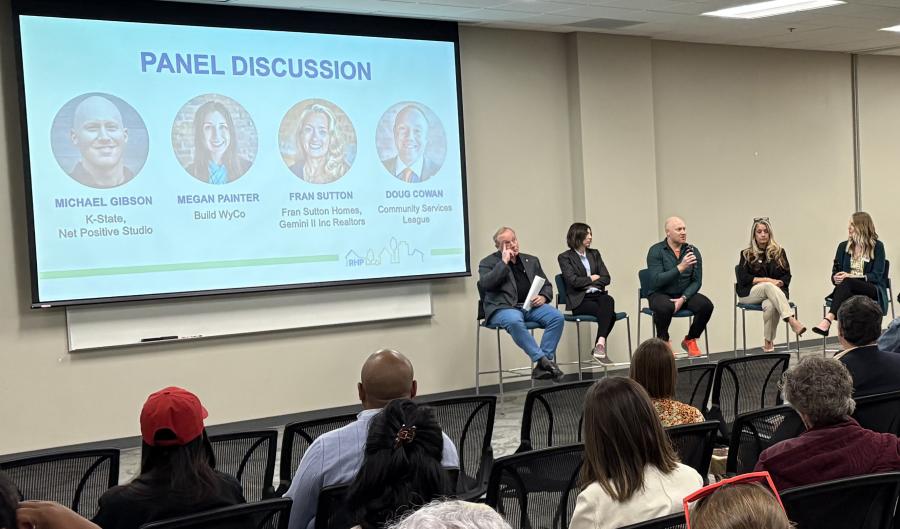
Panelists seated during a housing discussion event

Pictured: The Greater Kansas City Regional Housing Partnership hosted an innovation series that featured topics such as how prefab and modular homes can be used to increase production of quality, affordable homes.

2025 Economy and Housing Highlights

Sector strategies

MARC advanced regional economic competitiveness by supporting implementation of the KC Investment Playbook, a collaborative strategy focused on high-impact opportunities in biosciences, critical technologies, energy, advanced manufacturing and other growth sectors. In 2025, MARC provided data, analysis and strategic support to regional initiatives pursuing major federal and state investments, including advising KC BioHub on its application for a second round of Tech Hubs funding and helping Kansas stakeholders identify priority projects for state investment. MARC also elevated regional discussions of the playbook through the 2026 Economic Outlook conference, held in partnership with the Federal Reserve Bank of Kansas City, while continuing to expand workforce analytics and economic data tools.

Workforce development

The region’s workforce development ecosystem grew stronger through efforts to align education, training and workforce strategies with the needs of key industry sectors. In partnership with the Civic Council of Greater Kansas City, MARC initiated implementation of a talent pipeline management system designed to better connect workforce supply and employer demand in high-priority industries, while providing data, analysis and workforce intelligence to support regional decisionmaking. MARC also completed a needs assessment of the housing development sector, helping identify workforce challenges affecting housing production and informing future strategies to expand the skilled workforce needed to meet the region’s housing and economic development goals.

Economic research

MARC expanded the work of its Office of Economic Research in 2025, providing data, analysis and regional partnerships that helped community leaders better understand economic trends and make informed decisions. Staff analyzed the potential economic effects of a 10% reduction in the federal workforce, shared long-range demographic and economic forecasts with stakeholders, and provided research on emerging trends.

Regional dialogue

A Data & Digital Summit brought together public sector professionals to examine economic mobility, artificial intelligence, data-driven decision-making and strategies for fostering innovation within organizations. MARC also supported regional dialogue on timely economic development issues, including the opportunities and infrastructure implications associated with data center growth, and helping stakeholders better understand technology, workforce and economic trends affecting the region’s future prosperity.

Spotlight: Housing

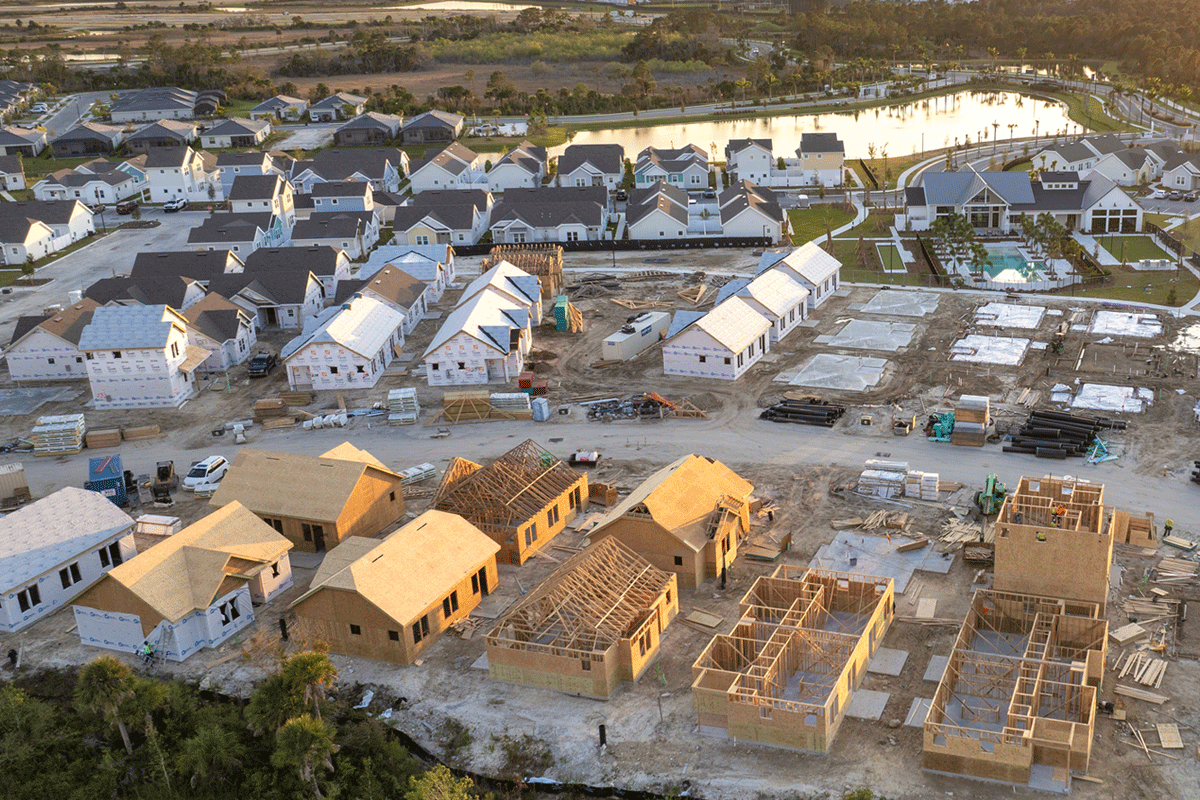
new-home-construction-suburbs

The Greater Kansas City Regional Housing Partnership advanced a coordinated regional response to housing affordability and housing supply challenges by bringing together local governments, housing organizations, developers, financial institutions and community leaders around shared goals. In 2025, the partnership launched a new cross-sector coordinating council, convened a regional launch event, expanded leadership and engagement strategies, and initiated a comprehensive mapping of the regional housing ecosystem, engaging more than 150 organizations and documenting over 2,800 relationships. The partnership also advanced implementation of the Community Land Trust business plan, secured initial investments for a Regional Housing Fund and laid the groundwork for reviewing land-use, zoning, development and building code practices across the metropolitan area. 

Through data storytelling, stakeholder engagement and initiatives such as a regional short-term rental roundtable, the partnership continued building the foundation for long-term solutions that increase housing production, preserve existing housing options and expand access to safe, stable and attainable homes throughout the region.

Effective Local Government

Convene partners and develop collaborative efforts to find solutions to common community issues. Provide shared services to help cities and counties work more efficiently and effectively.

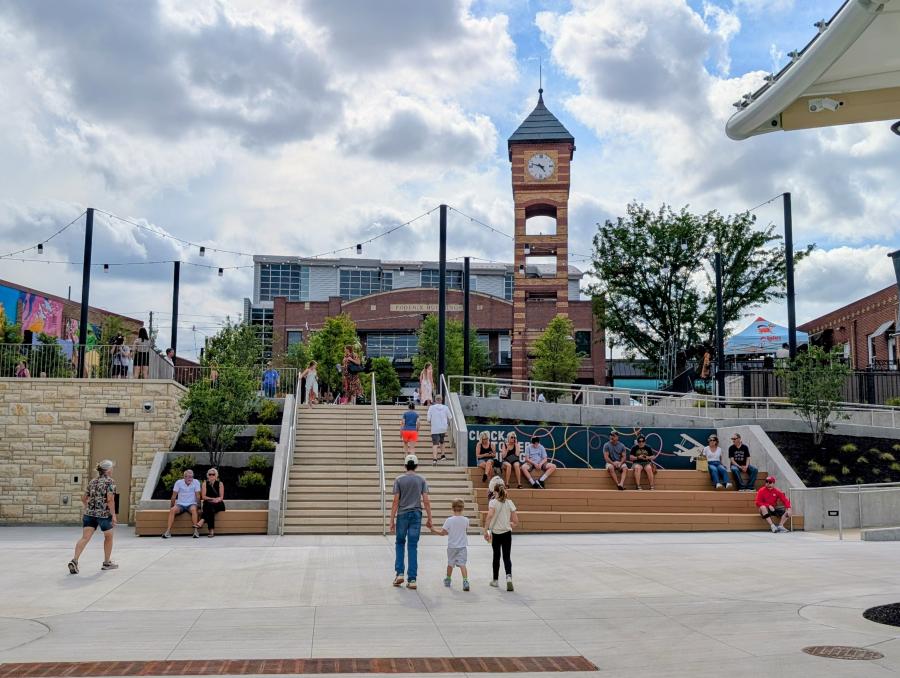
People walking through Clocktower Landing in downtown Overland Park

Pictured: Cities such as Overland Park participate in the First Suburbs Coalition, a convening that aims to identify and enhance the unique qualities of communities where the majority of the housing stock was built between World War II and 1970.

2025 Local Government Services Highlights

Public sector workforce 

MARC helped local governments strengthen their workforce capacity through expanded recruitment, professional development and talent pipeline initiatives. In 2025, MARC purchased the KCGovJobs.org domain and enhanced the regional public sector jobs board, creating a more user-friendly platform that broadened access to local government career opportunities and helped employers connect with qualified candidates. MARC also expanded leadership development and technical training through the Government Training Institute, and continued the Government-to-University Initiative, which strengthens partnerships between higher education and government employers.

Shared services

Local governments improved efficiency, reduced costs and built organizational capacity through a broad range of shared services. In 2025, MARC continued providing information technology, workforce, compensation, grant assistance, purchasing and development-related support. Collaborative initiatives such as 988 and mobile crisis response partnerships, behavioral health and law enforcement coordination efforts, and other regional programs helped communities address complex challenges more effectively. The Kansas City Regional Purchasing Cooperative supported purchases totaling more than $14,850,000, generating approximately $44,151 in savings for participating communities, while the HGACBuy partnership helped 12 local governments purchase more than $3.4 million in equipment and services and realize an estimated $337,596 in savings. MARC also implemented the regional aerial imagery program to provide updated GIS data for member governments and maintained plan review and inspection partnerships supporting major development projects.

Government Training Institute

The Government Training Institute (GTI) expanded its impact by providing training, organizational development and event management services. In addition to event management support, GTI delivered customized training for communities including Olathe, Kansas; Smithville, Missouri; Miami County, Kansas; Kansas City, Missouri; and a joint training initiative serving Prairie Village, Edgerton and Leawood in Kansas. GTI also provided high-demand professional development programs — including grant writing, leadership development and technical training — to help local governments and community organizations build capacity and better serve residents.

Small Cities Program

The Small Cities Program helped smaller communities address local priorities and navigate funding and compliance requirements by providing administrative, planning and technical assistance. In 2025, MARC supported grant administration and project implementation efforts in communities including Camden Point, Henrietta and Wood Heights in Missouri. MARC provided outreach and project development assistance to communities to explore funding opportunities for future infrastructure and community improvement projects. MARC also helped numerous local governments meet outstanding American Rescue Plan Act and other federal reporting requirements through a partnership with the Missouri Association of Councils of Government and the Missouri Municipal League.

Strengthening connections

MARC continued to foster regional collaboration by convening city and county leaders through networks such as the Managers Roundtable, First Suburbs Coalition, Core Communities Initiative and other local government partnerships to share best practices, address common challenges and advance collaborative solutions. MARC also hosted training and leadership development opportunities for elected officials and local government staff, while bringing communities together to coordinate planning and preparedness for major regional efforts, including the FIFA World Cup 2026™. MARC also continued promoting public service and local government leadership through initiatives such as #CityHallSelfie Day.


Spotlight: Mental health support

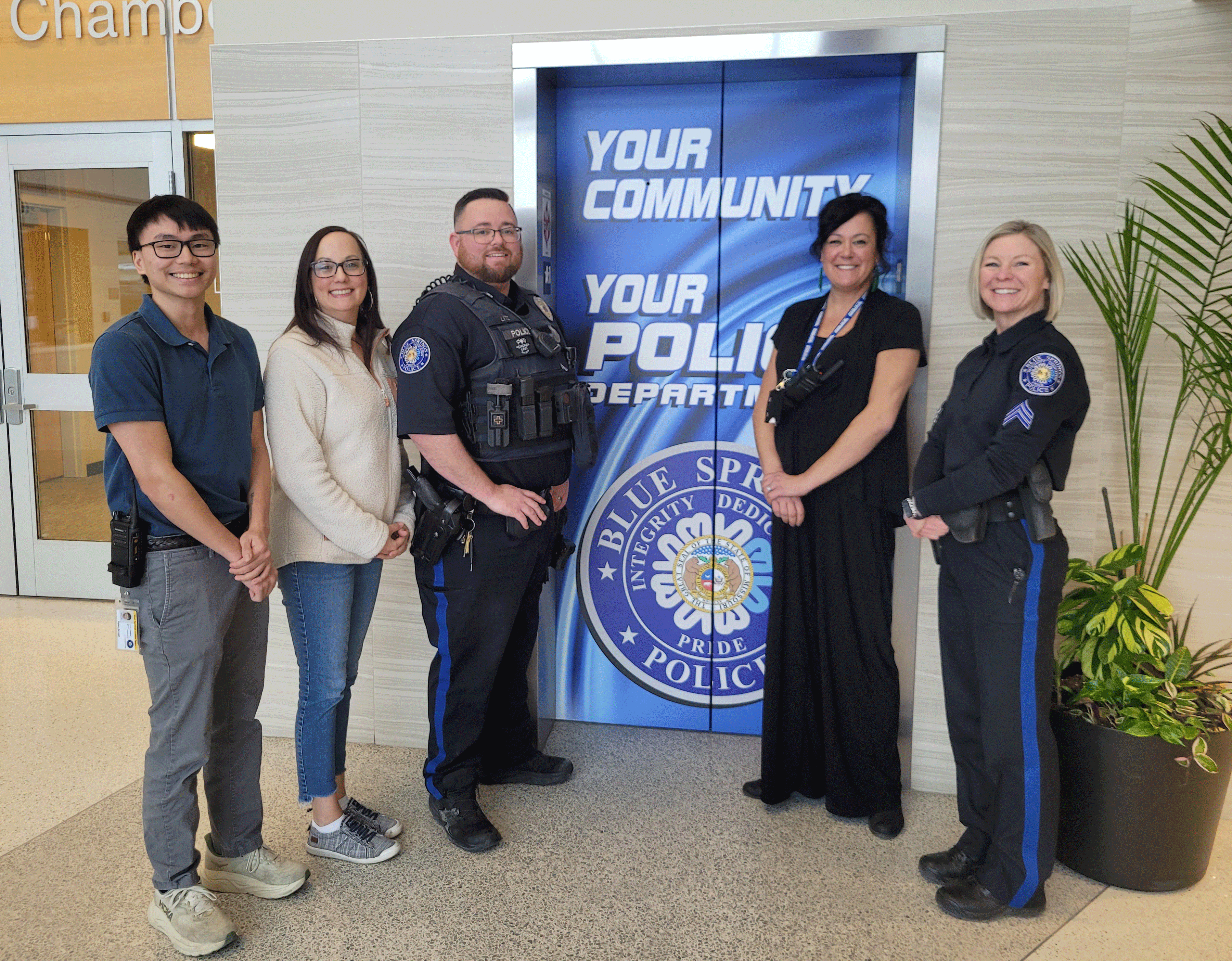
Blue-springs-co-responder-team-photo-2
The Blue Springs co-responder program is seeing success helping people in crisis connect with proper care.

MARC continued to strengthen the region’s mobile crisis response system by bringing together behavioral health providers to increase mobile crisis responses, improve coordination of service delivery and follow-up support, develop shared training and engagement resources, and expand access to community-based behavioral health services. MARC also continued to advance the Eastern Jackson County Co-Responder Program by supporting partnerships between behavioral health providers, police departments and community paramedics. Over the past year, this group has standardized data collection and response practices, and connected more than 1,800 people to behavioral health services while reducing unnecessary involvement with the criminal justice system

Safe and secure communities

Manage ongoing operation, maintenance and state-of-the-art enhancement of the regional 911 system, and coordination of the region’s interoperable communications system. Help strengthen the region’s emergency services and homeland security capabilities to prevent, protect, mitigate, respond and recover with coordinated plans and high-quality training, exercises, technology and specialized equipment.

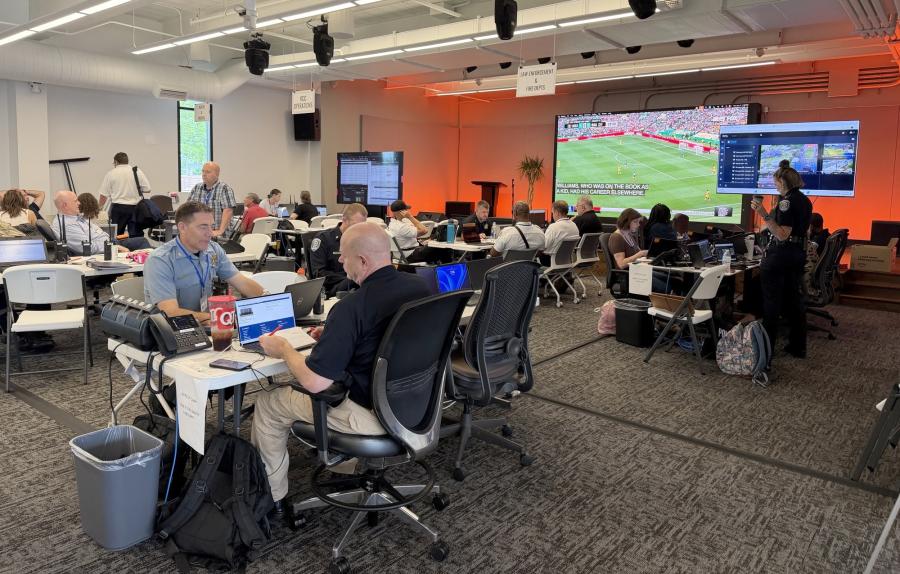
A room full of people sitting at tables with a soccer match on a screen

Pictured: During the FIFA World Cup 2026™, the Regional Coordination Center brought together local, state, federal and organizing committee representatives to facilitate cross-jurisdictional decision-making.

2025 Safety and Security Highlights

Emergency preparedness and response

The RHSCC in 2025 navigated significant delays and shifts in federal funding and policy, and sustained essential services while adapting to changing grant requirements and opportunities. The region delivered an extensive training program, providing 100 courses to 2,193 responders, while updating critical plans and frameworks, including the Hostile Event Response Plan, Missouri Regional Hazard Mitigation Plan and the Pre-Disaster Regional Recovery Framework. Participation expanded in the regional resource-sharing agreement.

Medical and public health

Throughout 2025, MARC continued to strengthen regional health and medical preparedness through coordination of hospitals, public health agencies, emergency medical services and emergency management partners. Together, through the MARC Health Care Coalition (HCC) and discipline-specific committees, these partners advanced plans and preparedness to ensure the region’s health care system was ready for the influx of visitors expected for the FIFA World Cup 2026™. This included a revision of the region’s Mass Casualty Incident plan, preparation of public health messaging related to heat and infectious diseases, and work to ensure all relevant partners were proficient in regional communication platforms. In addition, the HCC completed an assessment of the health care supply chain and conducted a regional medical surge exercise involving 111 agencies. MARC also supported public health monitoring and preparedness efforts related to measles and helped build regional capacity for a whole blood program designed to improve survival outcomes for people with severe traumatic injuries.

Hazardous materials

Through MARC’s Hazardous Materials Emergency Preparedness Alliance, partners updated and exercised the regional hazardous materials response plan, piloted a facility identification project to improve awareness of hazardous materials risks, and advanced implementation of a regional hazmat modeling program. Investments were also made in enhancing hazardous materials response team capabilities and hospital decontamination readiness, helping emergency responders, healthcare providers, and local governments and private partners improve their ability to prevent and respond to chemical incidents.

Next Generation 911

Next Generation 911 technologies improve the speed, accuracy and accessibility of emergency communications. In 2025, MARC deployed geospatial routing technology that routes calls based on a caller’s location rather than cell tower location, helping improve call accuracy and response times, and launched a pilot with Johnson County, Kansas; Kansas City, Missouri; and Independence, Missouri, to expand photo and video transmission capabilities and language translation support for 911 callers. MARC also continued upgrading communications infrastructure and system connectivity, and provided training to strengthen interoperability among emergency communications centers. Additionally, MARC adopted additional cybersecurity enhancements, refreshed regional 911 maps using updated aerial imagery and deployed new mapping software for dispatchers.

Trainings

In 2025, the MARC Public Safety Communications Program delivered a series of tournament-focused workshops for dispatchers and launched a MARC-developed 24-hour Crisis Intervention Team online training course that attracted 466 in-progress learners. These efforts enhanced the region’s ability to respond effectively to emergencies, disasters and major special events. MARC also delivered a series of tournament-focused workshops to nearly 100 dispatchers and amped up language line services in preparation for the FIFA World Cup 2026™. An app was launched to over 700 regional dispatchers with a focus on proactive mental health and wellness. Additionally, a new scenario-based communications training course was developed to help dispatchers respond effectively during emotionally charged or difficult 911 voice interactions.

Spotlight: FIFA World Cup 2026™

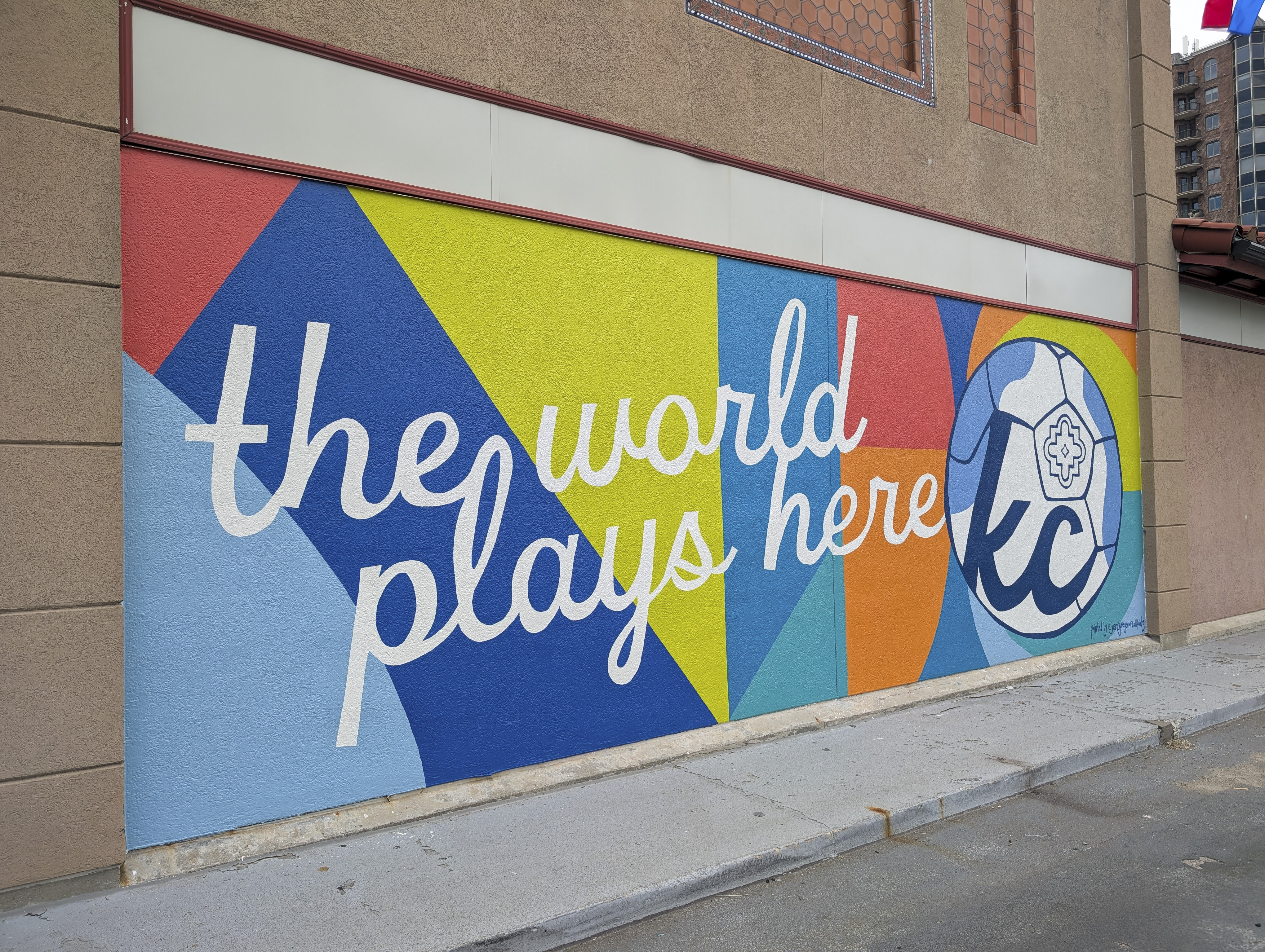
A colorful mural that reads "The World Plays Here"

In 2025, MARC’s Regional Homeland Security Coordinating Committee (RHSCC) in cooperation with the Kansas City, Missouri, Police Department, KC2026 and other regional safety and security partners, strengthened readiness for the FIFA World Cup 2026™ through unprecedented collaboration, planning, trainings, exercises and capability development. Working in a complex and rapidly evolving environment, partners advanced safety and security and health and medical regional preparations despite key details regarding participating teams, base camps and operational requirements remaining unknown until late 2025 and early 2026. Using the best information available at each stage, partners — including local, state, federal, and public and private — expanded regional coordination, aligned resources and established the framework for locally led operations across the tournament footprint. MARC and the Kansas City, Missouri, Police Department played pivotal roles in supporting KC2026’s successful pursuit of federal safety and security funding, bringing critical resources to the region and enhancing preparedness for residents, visitors and participating jurisdictions.

Thriving older adults and communities

Empower our region’s residents, including older adults, and strengthen community infrastructure to provide wraparound services that promote independence, healthy living and engagement for residents of all ages.

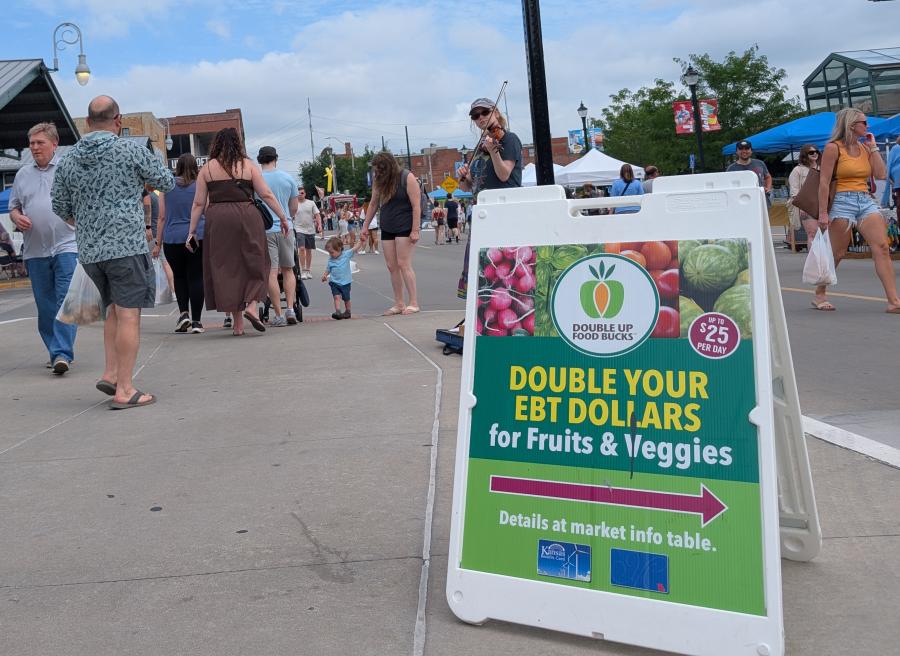
A sign for the Double Up Food Bucks program at the River Market with lots of people around.

Pictured: Double Up Food Bucks matches every SNAP dollar spent on fresh produce with a dollar in rewards that can be used for more fresh produce at grocery stores and farmers markets in Kansas and Missouri.

2025 Aging and Adult Services Highlights

Community engagement

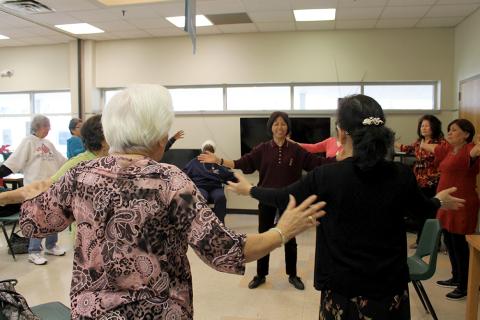
Through age-friendly initiatives, leadership networks and volunteer programs, older adults had more opportunities to stay engaged, connected and active in their communities. In 2025, the Communities for All Ages program expanded its peer city network, hosted workshops and peer-learning sessions, advanced development of new tools and resources for local governments, and identified funding opportunities to support continued growth of age-friendly practices across the region. MARC also expanded the Give 5 volunteer-matching program through five cohorts, while the Leadership in Aging Network and Silver-Haired Legislature continued to bring together advocates, service providers and community leaders to address issues affecting older adults. During Older Americans Month in May, MARC convened the region’s aging services community through the annual Age Positive Conference, which attracted more than 200 professionals, and the Age of Celebration, a 60+ block party and resource fair that welcomed nearly 500 
attendees.  
 

Nutrition incentives

MARC expanded access to healthy food for low-income families and older adults through the Double Up Food Bucks program, which operated at 168 grocery stores, farmers markets and farm-direct locations across Kansas and Missouri in 2025. The program helps SNAP participants stretch their food dollars by providing additional incentives for purchasing fresh fruits and vegetables, improving access to nutritious food while supporting local farmers and food retailers. MARC also secured funding in the form of a new USDA Gus Schumacher Nutrition Incentive Program award to sustain and expand the program.

Produce prescription

KC Fresh Rx connects health care and nutrition through a “food as medicine” approach that helps participants improve their health through greater access to fresh fruits and vegetables. In 2025, MARC hosted a third cohort of the produce prescription program, which serves Medicaid patients experiencing food insecurity and at risk for or managing diabetes and hypertension. To make the program more accessible, MARC expanded translation and interpretation services in Spanish, Arabic, Vietnamese and Somali and provided transportation assistance to participants.  

Aging services

MARC strengthened services that help older adults remain healthy, independent and connected to their communities through investments in nutrition, caregiving support and community infrastructure. In 2025, MARC completed renovations to KC Meal Link, a frozen meal repack facility, while evaluating opportunities to expand operations, develop partnerships, pursue medically tailored meal programs and identify sustainable funding strategies. MARC also invested in senior centers and transportation services across the region through facility improvements and vehicle support. In addition, MARC offered the Aging Mastery Program for Caregivers and enabled 17 children to attend summer camp through the GRANDPass respite program for older guardians. 

Community Care Hub

Connections among health care providers, community organizations and social service agencies continued 
to grow in 2025, improving health outcomes and helping residents remain healthy and independent in their communities. In 2025, MARC expanded services for patients experiencing heart failure, diabetes and hypertension; advanced objectives under the USAging Center of Excellence initiative; and strengthened the region’s Community Care Hub infrastructure through the launch of the Community Support Network Advisory and Community-Based Organization Coalition. 

Ombudsman

MARC’s Long-Term Care Ombudsman program advocates for older adults living in long-term care settings. In 2025, the program served 11,665 residents and adapted to funding reductions through innovative approaches such as the Resident Advocacy Flex Plan, allowing staff and volunteers to continue responding effectively to complaints and resident needs. MARC also supported resident safety during emergency closures and continued working with residents, families and care providers to promote quality of life, informed decision-making and person-centered care.

Community health workers

MARC strengthened the region’s community health worker (CHW) workforce in 2025 by expanding training, leadership development and tools that support the integration of CHWs into healthcare and community-based organizations. CHWs serve as trusted links between residents and systems of care. Through the KC Regional Community Health Worker Collaborative, MARC updated training curricula, expanded Spanish-language training opportunities, and developed new technical assistance resources to support workforce growth and professional development. MARC also created guidance and reimbursement tools to help healthcare providers and community organizations access Medicare and Kansas Medicaid funding for CHW services, supporting a more sustainable model for connecting residents with healthcare, social services and other community resources.

Veteran-Directed Care

Veteran-Directed Care helps older veterans and veterans with disabilities remain independent and continue living in their homes and communities while maintaining greater control over their long-term services and supports. In 2025, MARC collaborated with the Kansas City VA Medical Center to serve more than 75 veterans across the region.

Spotlight: Aging Services

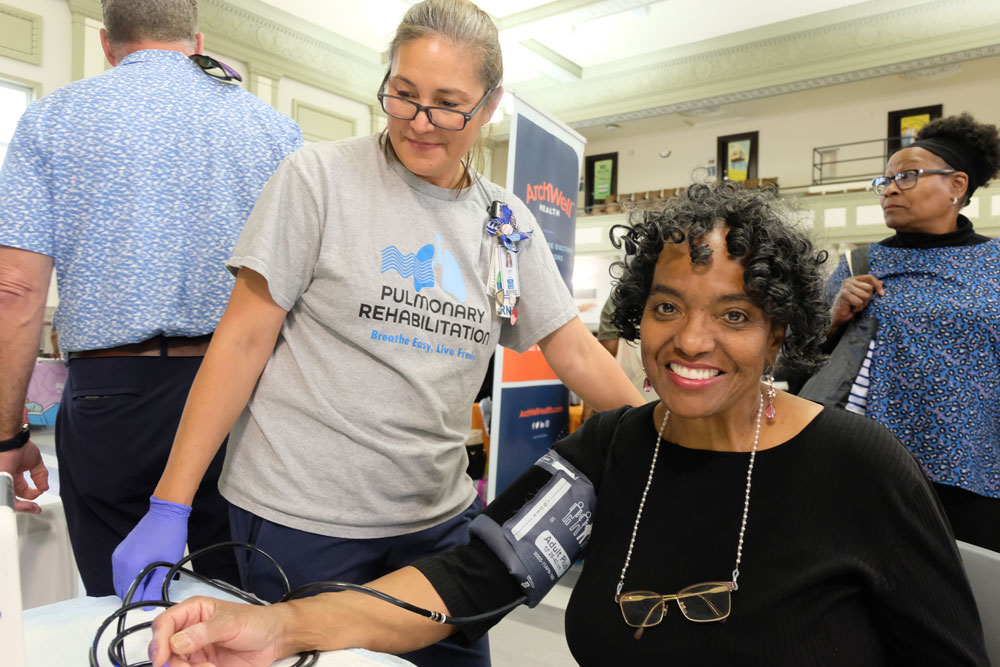
health services at Age of Celebration

MARC strengthened services that help older adults remain healthy, independent and connected to their communities through investments in nutrition, caregiving support and community infrastructure. In 2025, MARC completed renovations to KC Meal Link, a frozen meal repack facility, while evaluating opportunities to expand operations, develop partnerships, pursue medically tailored meal programs and identify sustainable funding strategies. MARC also invested in senior centers and transportation services across the region through facility improvements and vehicle support. In addition, MARC offered the Aging Mastery Program for Caregivers and enabled 17 children to attend summer camp through the GRANDPass respite program for older guardians. 

Quality Early Learning

Provide leadership and coordination to build a robust early learning system with strong families, skilled teachers, quality programs, supportive communities, sustained and sufficient funding, and multi-sector collaboration.

A woman with two young students at a table doing a craft

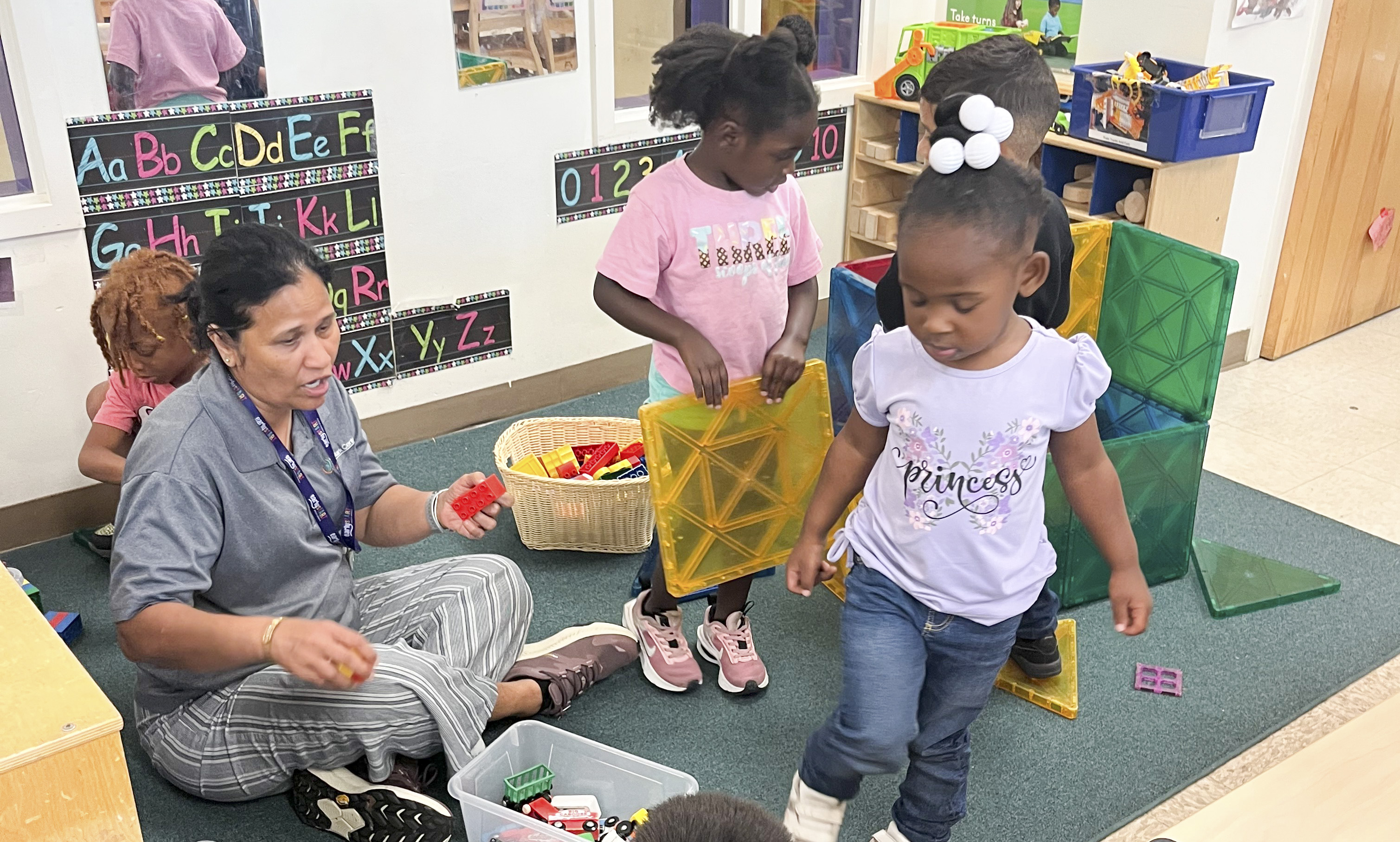
Pictured: MARC Head Start provides high-quality early learning and family support services for approximately 2,350 children and families through a network of 17 direct service providers.

2025 Early Learning Highlights

Collaborative networks

MARC continued strengthening Missouri’s early childhood system through partnerships with Futures First (formerly The Family Conservancy), the Local Investment Commission and Youth Alliance of St. Joseph as part of the Preschool, Infant-Toddler and Home-Based Collaborative Networks across northwest Missouri. Through these partnerships, MARC helped align services, resources and professional supports to improve access to high-quality early learning opportunities for children and families. In 2025, MARC also supported the launch of the Program Support Network, further strengthening collaboration and capacity-building efforts designed to improve outcomes across the region’s early childhood system. 

Workforce development

In 2025, communities of practice for teachers, teacher assistants and Head Start directors helped strengthen the early childhood workforce by creating opportunities for peer learning, leadership development and continuous quality improvement. MARC supported 12 Head Start teaching staff pursuing bachelor’s degrees through a partnership with the University of Central Missouri. In addition, MARC helped seven participants enroll their child care businesses in the Refugee Family Child Care Microenterprise Development Program, supporting entrepreneurship and expanding
child care options in the region. 

Child care

MARC helped launch Missouri Child Care Works in the Kansas City region, an employer-supported child care cost-sharing initiative designed to reduce child care costs by up to 75% for participating families. By blending public and private resources, the initiative expands access to affordable, high-quality child care while helping employers support working families. MARC also supported the Kansas City, Missouri, emergency responders child care pilot program, helping connect eligible police, fire and aviation department employees to a cost-sharing model that expands access to affordable child care. 

Strengthening the system

The Connecting the PIECES KC roadmap advanced in 2025, helping guide regional efforts to strengthen the early learning system. MARC formed a steering committee and convened nearly 100 parents, educators and community partners to identify system strengths, gaps, shared goals and action steps. The process helped develop strategies to grow and sustain the early childhood workforce while building broader alignment around priorities for the region’s early learning system. 


Spotlight: Head Start

A teacher in a Head Start classroom sits on the floor as students put away blocks

MARC Head Start continued providing high-quality early learning and family support services in 2025, serving approximately 2,350 children and families through a network of 17 direct-service providers. Despite uncertainty caused by the federal government shutdown, MARC worked closely with providers and partners to ensure no Head Start programs closed and that services remained available to children and families throughout the disruption. MARC also successfully managed a major provider transition following the closure of YMCA Head Start and Early Head Start programs, redistributing all 338 affected slots, expanding existing providers, adding new partners including Mattie Rhodes and Render’s Hope Day School, and ensuring no loss of service capacity. MARC also invested in facility improvements, safety enhancements and provider support to strengthen program quality and maintain uninterrupted services. 

The program expanded health and wellness initiatives, supported Medicaid renewals, connected families with mobile health services and community resources, and strengthened parent engagement through leadership opportunities. MARC also celebrated the 60th anniversary of Head Start by hosting a Family Fun Resource Fair that brought together more than 250 families and community members to access resources, services and learning opportunities. 


2025 Financial Information


Note: Approximately 76% of cash revenue was passed through to local governments and service providers in 2024. 

Because MARC’s budget typically includes more than 100 active grants that operate on different schedules, it is not unusual for expenses to exceed revenues, or vice versa, in a given calendar year.

2025 Funders

Federal
  • U.S. Department of Agriculture
  • U.S. Department of Energy
  • U.S. Department of Health and Human Services
  • U.S. Department of Justice
  • U.S. Department of Transportation / Federal Transit Administration
  • U.S. Economic Development Administration
  • U.S. Environmental Protection Agency
National organizations
  • Volcker Alliance
State
  • Kansas Department of Health and Environment
  • Kansas Department of Transportation
  • Kansas Division of Emergency Management
  • Kansas Highway Patrol
  • Missouri Department of Conservation
  • Missouri Department of Elementary and Secondary Education
  • Missouri Department of Health and Senior Services
  • Missouri Department of Natural Resources
  • Missouri Department of Public Safety
  • Missouri Department of Social Services
  • Missouri Department of Transportation
  • Missouri State Emergency Management Agency
Local governments and agencies
  • Nine counties and 119 cities in the MARC region
  • Kansas City Area Transportation Authority
  • Metropolitan Official Health Agencies of the Kansas City Area
  • Regional hospitals and emergency services agencies
Foundations and nonprofits
  • American Heart Association
  • ARTSKC
  • Bicycle Depot KC
  • Bird
  • Blue Cross Blue Shield of Kansas
  • Blue Cross Blue Shield of Kansas City
  • Care Connections for Aging Services
  • Center for Watershed Protection, Inc.
  • ChildCare Aware of Missouri 
  • Commute with Enterprise
  • Elevance Health Foundation
  • Evergy Services Inc
  • Ewing Marion Kauffman Foundation
  • Fair Food Network
  • George H. Nettleton Foundation
  • Greater KC Community Foundation
  • Hall Family Foundation
  • Health Forward Foundation of Greater Kansas City
  • HNTB Corporation
  • Institute for Market Transformation
  • Kansas Health Foundation
  • Kids Win Missouri
  • KSU Olathe
  • Local Investment Commission
  • Marion and Henry Bloch Family Foundation
  • Menorah Heritage Foundation
  • Metropolitan Energy Center
  • Missouri Childhood Community Leaders
  • Opportunity Trust
  • Pace KC Swope Health
  • Patterson Family Foundation
  • PNC Foundation
  • REACH Healthcare Foundation
  • School Smart KC
  • Sosland Foundation
  • Stanley H. Durwood Foundation
  • Sunderland Foundation
  • Sunflower Foundation
  • The Family Conservancy
  • United 4 Children
  • United Methodist Health Ministry Fund
  • University of Kansas Medical Center
  • University of Missouri
  • University of Missouri Kansas City
  • UMB Bank
  • USAging
  • William T. Kemper Foundation, Commerce Bank, Trustee
  • WJ Brace Charitable Trust, Bank of America, Trustee